
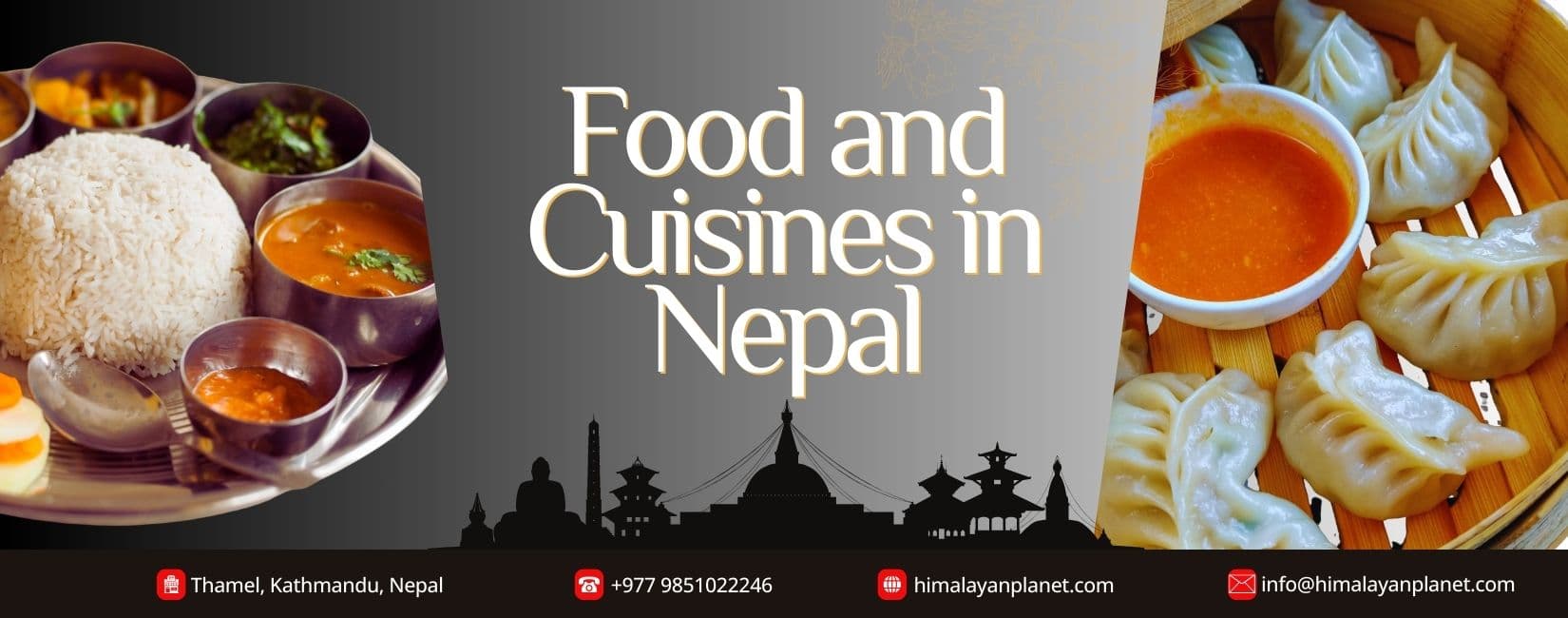
Explore Nepal through its flavors. For travelers and trekkers, the cuisine here is more than just a meal; it is the fuel that powers you up high passes and the comfort that welcomes you back to Kathmandu.
As a local agency, we know that hygiene and nutrition are your top priorities. Whether you are searching for vegetarian food options in Nepal or curious about the food on Everest Base Camp trek, this guide covers exactly what to expect on your plate.
Our guides have curated this list of must try traditional Nepalese dishes to ensure you eat safely and authentically.
Dal Bhat: The Engine of the Himalayas
If you trek with us, you will hear the phrase, "Dal Bhat Power, 24 Hour." It is true. This staple consists of lentil soup (Dal), boiled rice (Bhat), seasonal vegetable curry (Tarkari), and spicy pickles (Achar).
It is the standard dinner on every teahouse food menu in Nepal. The secret to its popularity among trekkers is the refill policy: you pay for one plate, but the rice and lentil soup keep coming until you are full.
The Premium Version: Thakali Set
While standard Dal Bhat is available everywhere, the Best Thakali set in Kathmandu offers a culinary upgrade. Originating from the Mustang region, Thakali sets use creamy black lentils, locally grown buckwheat, and include fermented spinach (Gundruk) and timur (Sichuan pepper) salsa.
- Best Way to Experience It: Ask our guides to take you to a dedicated Thakali kitchen in Thamel or Pokhara before your trek. It sets the benchmark for quality.
Mo: Mo: The Unofficial National Dish
You cannot visit Nepal without trying Mo: mo. These Tibetan-influenced dumplings are everywhere, from roadside stalls to five-star hotels. While they look like standard dumplings, the spice blend of ginger, garlic, coriander, and turmeric makes them distinctly Nepalese.
Understanding the types of Momo based on how it is cooked in Nepal helps you order like a local:
- Steamed: The classic version, served with a tomato and sesame dip.
- Kothey: Half-steamed, half-fried for a crispy bottom texture.
- C-Momo: Served in a bowl of hot, spicy, chili-based sauce.
- Jhol Momo: Submerged in a thin, savory broth (Achar).
- Local Tip: Most restaurants serve Buff (Buffalo) meat as the standard "meat" option. If you prefer chicken, pork or veg, specify clearly when ordering.
Newari Cuisine: The Taste of Kathmandu Valley
The Newars are the indigenous inhabitants of the Kathmandu Valley, known for their elaborate festivals and rich, spicy cuisine. Finding the best Newari food in Kathmandu requires moving beyond the main tourist strips.
Chatamari (Newari Pizza)
Often called "Newari Pizza," this is actually a thin rice-flour crepe topped with minced meat, eggs, and vegetables. It is lighter than pizza and completely gluten-free.
Bara (Savory Pancake)
Made from black lentil patties, Bara is fluffy on the inside and crispy on the outside. It is an excellent protein-rich snack.
- Why We Love It: Newari food uses unique ingredients like buffalo brain and spinal cord for adventurous eaters, but Chatamari and Bara are approachable, delicious entry points for everyone.
Food on the Everest Base Camp Trek and higher elevations (Sherpa Cuisine)
High-altitude diets require specific carbohydrates to combat altitude sickness. Famous Sherpa food is designed exactly for this environment.
Rigi Kur (Potato Pancakes)
The Solu-Khumbu region grows excellent potatoes. Rigi Kur is a thick potato pancake served with a dollop of yak cheese (Nak cheese) and spicy sauce.
Sherpa Stew (Syakpa)
This is a hearty soup with handmade noodles, vegetables, and meat. It is arguably the best meal to order after a long day of walking in the cold wind.
- Our Experience: On the trail, we recommend ordering simpler dishes like stew or Dal Bhat during peak dinner hours. Complex orders like pizza take longer to cook and may not cook evenly at 4,000 meters.
Gundruk and Dhindo: The Village Staple
If you want to eat what rural farmers eat, try Gundruk and Dhindo.
- Gundruk: Fermented leafy green vegetables, sun-dried and made into a sour, savory soup. It is a probiotic powerhouse, great for gut health.
- Dhindo: A thick porridge made from millet, buckwheat, or corn flour. It has a texture similar to polenta and is swallowed rather than chewed.
- Dietary Note: Dhindo is a fantastic option for travelers looking for gluten free food Nepal trekking options, as it is usually made from millet or buckwheat (ensure no wheat flour is mixed in).
Traditional Drinks: Raksi and Tongba
Tongba (Hot Millet Beer)
Popular in the eastern Himalayan regions, Tongba is fermented millet served in a wooden container. You pour hot water over the grains and sip the resulting warm, mild alcohol through a bamboo straw. It is the perfect winter warmer.
Raksi
This is a clear, homemade distilled spirit similar to tequila or grappa. It is potent and plays a vital role in religious rituals.
- Safety Warning: Raksi is not regulated and varies wildly in strength. We advise moderation, especially before or during a high-altitude trek, as alcohol exacerbates altitude sickness. Also, drinking raksi anywhere you find is not recommended.
Traveler’s FAQ: Safety and Logistics
Is Street Food Safe in Nepal?
We advise caution. While street food is delicious, water quality varies.
- Our Advice: Avoid cut fruits, uncooked salads, or chutneys stored in open jars on the street. Stick to piping hot, cooked foods like fresh donuts (Sel Roti) or corn grilled over charcoal.
- Where to go: For a safe experience, check our guide on the best restaurants in Thamel for tourists, where hygiene standards are strictly monitored.
Drinking Water Safety in Nepal for Tourists
Never drink tap water in Nepal.
- In Cities: Buy sealed mineral water.
- On Treks: To reduce plastic waste, we encourage you to bring a reusable bottle. We provide boiled and filtered water at teahouses, or you can use water purification tablets/UV filters.
Cost of Food in Nepal per Day
Budgeting is straightforward here.
- Kathmandu/Pokhara: $20–$30 USD per day covers three good meals at decent restaurants.
- Trekking: Food gets more expensive as you go higher (due to transport costs). Expect to pay $10–$20 USD per meal at higher altitudes which also varies on the teahouses/lodges and hotels you are in.
Cooking Classes in Kathmandu with Locals
Want to take these flavors home? We can arrange a half-day cooking workshop. You will visit a local vegetable market with a chef, select ingredients, and learn to fold your own Momo. Ask us to add this to your itinerary or go to our Cooking Tour in Kathmandu for more information!