
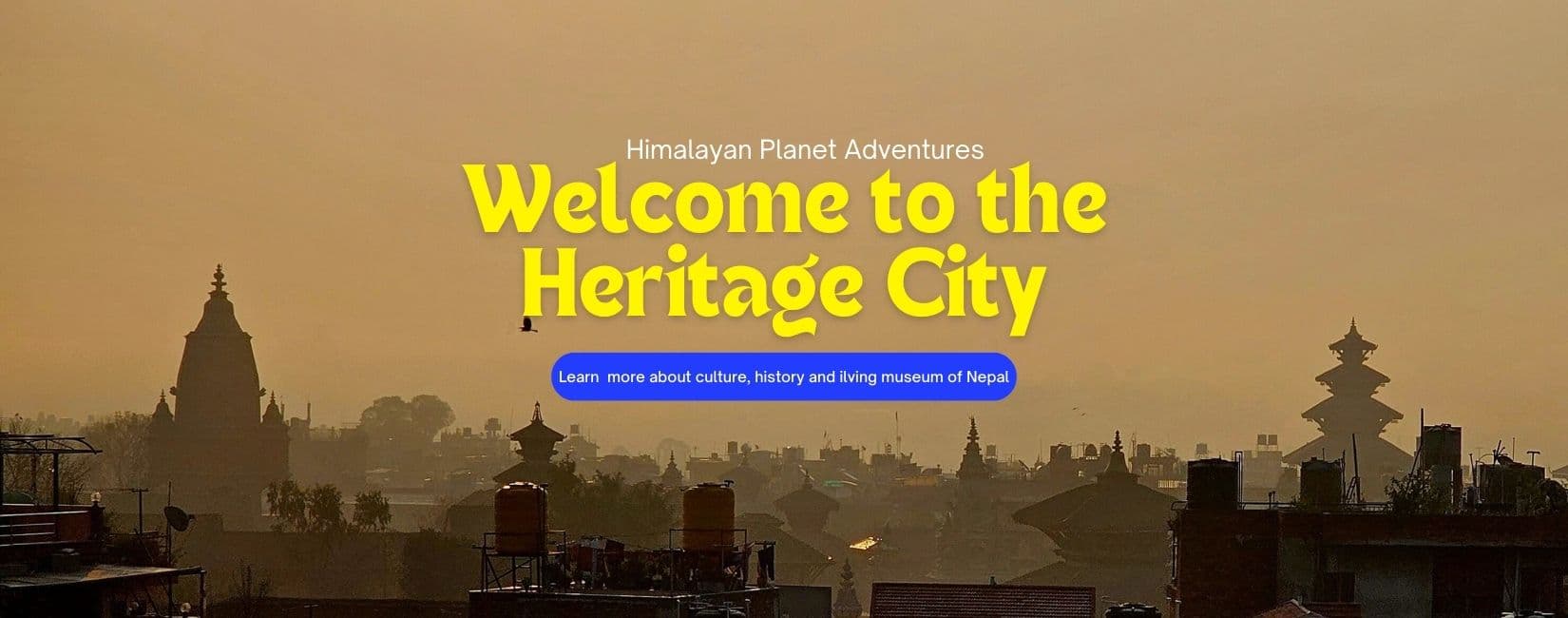
Nepal is not just a trekking destination; it is a living museum. When you walk through the streets of Kathmandu, you are walking through centuries of continuous history. For travelers planning Nepal cultural tour packages, understanding this timeline turns a sightseeing trip into a profound cultural immersion.
This guide connects the major historical eras to the monuments you will visit today, ensuring you get the most out of your Kathmandu World Heritage Sites tour.
Ancient Origins and the Valley of Myths (6th Century B.C. – 400 A.D.)
History here blends seamlessly with mythology. Geological evidence suggests the Kathmandu Valley was once a massive prehistoric lake. Legends say Manjushree, a bodhisattva, drained this lake to allow civilization to flourish.
Recorded history begins around the 6th Century B.C. The first rulers were the Gopals (cow herders) and Mahispals (buffalo herders), who likely migrated from the southern plains.
Key Historical Site: Lumbini
While the valley developed, a prince named Siddhartha Gautama was born in the southern plains of Lumbini in 623 B.C. He later became the Buddha.
- Travel Context: The History of Lumbini and Buddha's birthplace is central to our spiritual itineraries. Seeing the exact spot of his birth inside the Maya Devi Temple is a highlight for many travelers.
The Licchavi & Malla Eras: The Golden Age of Art (400 A.D. – 1768 A.D.)
If you admire the stone statues and wood carvings in Nepal, you are looking at the legacy of two specific dynasties.
The Licchavis (c. 400 – 750 A.D.)
The Licchavis introduced the caste system, intricate stone art, and the pagoda architectural style. The oldest written inscription in Nepal, found at Changu Narayan Temple, dates to King Mandev I (464 A.D.).
The Malla Dynasty (c. 1200 – 1769 A.D.)
This era defined the Malla Dynasty architecture Kathmandu is famous for today. The valley was divided into three rival kingdoms: Kathmandu, Bhaktapur, and Patan. These kings competed to build the most magnificent Durbar Squares (royal palaces) and temples.
- Architectural Insight: During your tour, ask your guide to explain the difference between Pagoda and Shikhara style temples.
- Pagoda: Multi-tiered roofs with wide eaves (e.g., Nyatapola Temple).
- Shikhara: Tall, curvilinear stone towers of Indian influence (e.g., Krishna Mandir).
Understanding Newari culture and traditions in Nepal is essential here. The Newar people, the indigenous inhabitants of the valley, were the artisans who built these masterpieces. Their festivals and craftsmanship keep this history alive today.
Unification and the Shah Dynasty (1768 – 2008)
Before 1768, Nepal was a fragmented collection of 46 small principalities. Prithvi Narayan Shah Unification history marks the birth of the modern nation.
The King of Gorkha, Prithvi Narayan Shah, conquered the Kathmandu Valley in 1768. He moved his capital from the hilltop Gorkha Durbar to Kathmandu, establishing the Shah Dynasty.
- Strategic Insight: The unification allowed Nepal to control the ancient trade routes of Nepal (Trans-Himalayan) between India and Tibet. This trade wealth funded further expansion, though conflicts with the British East India Company eventually led to the Sugauli Treaty of 1816, which shaped Nepal's modern borders.
Practical Guide for Historical Travelers
Is a tour guide required for Kathmandu Durbar Square?
While not legally mandatory, it is highly recommended. Without a guide, you will see old buildings but miss the stories. For example, the significance of the Kumari Living Goddess—a tradition started by the Malla kings—requires context to understand respectfully. Our local guides explain the selection process and the festival traditions associated with the Kumari, ensuring you navigate the area with cultural sensitivity.
Suggested Itineraries
- Nepal history tour itinerary 4 days: Covers Kathmandu, Patan, Bhaktapur, and a drive to Gorkha to see the ancestral palace of the Shah Kings.
- Guided historical walking tour Bhaktapur: Focuses on the "City of Devotees," famed for pottery and 15th-century architecture.
Frequently Asked Questions
- Who built Boudhanath Stupa? The exact date is debated, but it was renovated by Licchavi rulers and became a critical stop for Tibetan merchants.
- Best time to visit Nepal for cultural festivals? October and November (Dashain and Tihar) offer the most vibrant display of living history.
Pro Tip from Our Local Experts
"Don't just visit the museums; look at the lintels (door frames) of old houses in Kathmandu, Bhaktapur, and Patan’s backstreets. Many of these are original Malla-era wood carvings that are still part of private homes. Ask us about the 'Hidden Courtyards of Patan' walking tour—we take you inside private Bahals (monastic courtyards) that most tourists walk right past."