
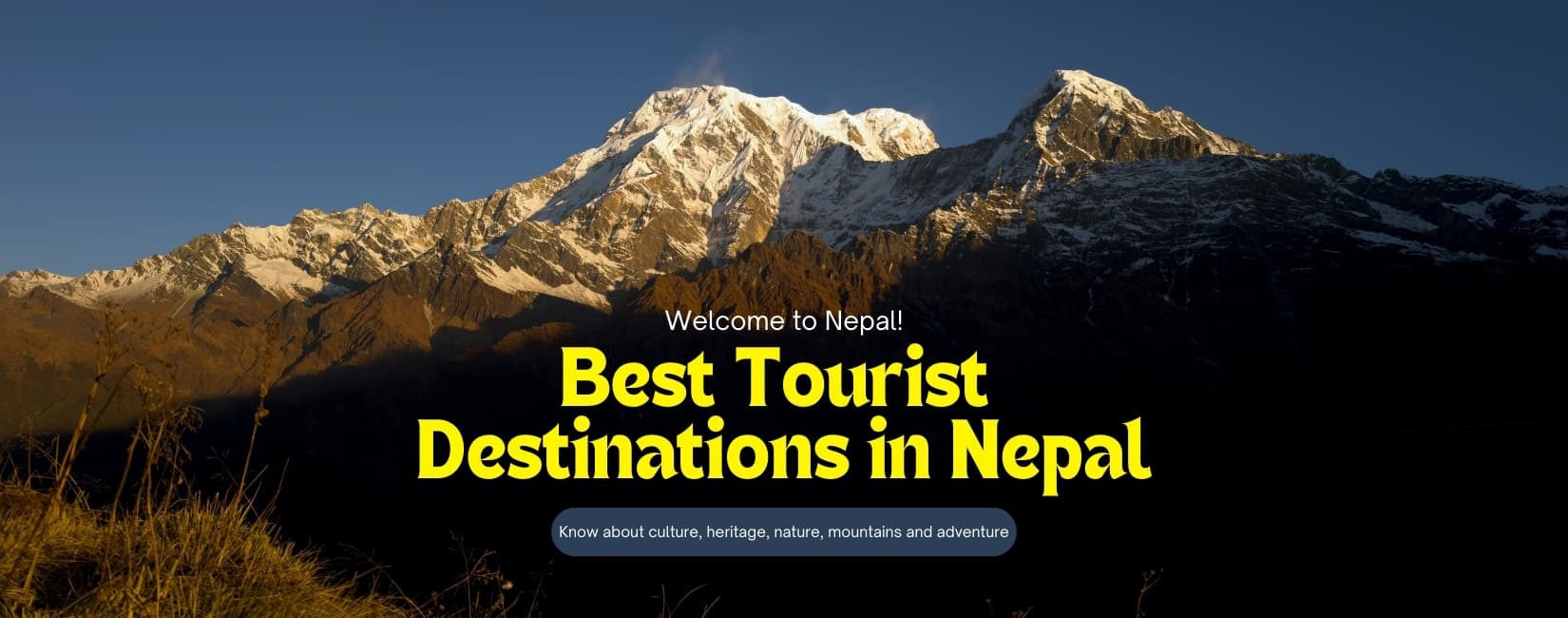
Planning a Himalayan expedition requires precise logistics, accurate trail data, and reliable ground support. Operating from our head office in Thamel, Kathmandu since 2009, the Himalayan Planet Adventures provides exact, on-the-ground expertise for serious trekkers and cultural explorers. Whether you need the best local travel agency in Kathmandu for custom tours or reliable permit assistance, our local team ensures your safety and success. Discover our curated guide to the definitive locations across this diverse country, categorized by accessibility and era.
The Old: Ancient Heritage and Spiritual Centers
Kathmandu Valley: The Historic Crossroads
Skip the crowded tourist buses and start your journey on foot to truly understand the city's ancient architecture. Booking a Kathmandu heritage walk with local guide allows you to navigate the narrow, maze-like alleys of Patan and Bhaktapur safely while accessing working artisan courtyards. If you want to explore ancient cities in Nepal besides Kathmandu, we frequently route our clients to nearby Panauti for a quieter, authentic look at medieval Newari trade hubs.
- Why We Love It: You get direct access to artisans creating traditional Thanka paintings and bronze statues in authentic, centuries-old workshops.
- Best Way to Experience It: Start your walking tour at 6:00 AM to witness the morning puja (prayers) and market activity before the heavy city traffic begins.
Lumbini: The Sacred Garden
Located in the southern Terai plains, Lumbini stands as the verified birthplace of Siddhartha Gautama. Travelers reach this flat, expansive UNESCO World Heritage Site via a quick 35-minute domestic flight from Kathmandu to Bhairahawa (BWA) or a long drive of 8-11 hours. Explore the Maya Devi Temple and inspect the exact marker stone pinpointing Buddha's birth location.
- Why We Love It: The international monastic zone provides a striking contrast of global Buddhist architectural styles—from Thai pagodas to German stupas—in one localized area.
- Best Way to Experience It: Get a rickshaw at the main gate and spend a full day traversing the flat brick paths between the different international monasteries.
The New: Emerging Routes and Uncharted Jungles
Pokhara and the New Annapurna Trails
Pokhara remains the standard staging ground for the Annapurna region trek line Annapurna Base Camp Trek and Annapurna Circuit Trek, sitting beside Phewa Lake at an altitude of 822 meters. While the main routes see heavy foot traffic, we direct returning clients toward the emerging trekking routes in Nepal, such as the Khopra Danda or Mardi Himal ridges. These paths offer spectacular, unobstructed views of Mt. Machhapuchhre without the highly congested teahouses.
- Why We Love It: You gain high-altitude panorama views quickly and safely without requiring technical climbing gear or extensive acclimatization.
- Best Way to Experience It: Secure an authentic Nepali village homestay trip in the surrounding foothills to directly support rural indigenous communities and taste real, home-cooked Dal Bhat.
Chitwan and Bardia National Parks
Chitwan National Park guarantees excellent sightings of the one-horned rhinoceros just a 5-hour drive from Kathmandu's center. However, wildlife enthusiasts seeking absolute isolation should look westward to the Karnali River region. We arrange specialized Bardia National Park jungle safari packages for travelers wanting to track the Royal Bengal Tiger on foot with expert local Tharu naturalists.
- Why We Love It: Bardia offers a raw, unfiltered jungle environment where tiger sightings rely on tracking fresh paw prints and listening for monkey alarm calls.
- Best Way to Experience It: Commit to a minimum 4-night stay in Bardia and strictly follow your guide's instructions during silent, on-foot tracking walks.
The Remote: Where to go in Nepal to avoid crowds?
Mustang and Dolpo: The Rain Shadow Valleys
Trekkers frequently ask us to compare the Upper Dolpo vs. Upper Mustang trek for their high-altitude expeditions. Both sit in the trans-Himalayan rain shadow, making them ideal for dry trekking during the summer monsoon season (June-August). Upper Mustang requires a $500 Restricted Area Permit and features the walled city of Lo Manthang (3,840m), while Dolpo demands grueling pass crossings over 5,000 meters.
- Why We Love It: These regions preserve ancient pre-Buddhist Bon culture and feature arid, high-desert landscapes that look completely different from the green southern foothills.
- Best Way to Experience It: Secure a 4WD jeep for the your Mustang trip to save time, or commit to a full 24-day supported camping expedition for Dolpo.
The Everest Region (Khumbu) Beyond Base Camp
Mount Everest (8,848.86m) draws thousands of climbers annually, making the standard Base Camp route highly congested in October. To find the best off the beaten path treks in Nepal within the Khumbu, we route clients over the high passes (Renjo La or Cho La) into the quieter Gokyo Valley. For independent hikers seeking security, we organize the safest off-grid treks in Nepal for solo travelers with vetted Sherpa guides/porters.
- Why We Love It: The Gokyo Lakes route provides superior, wider views of Everest's summit compared to the standard Base Camp viewpoint at Kala Patthar.
- Best Way to Experience It: Cross the Three Passes for the ultimate alpine challenge, utilizing local teahouses to avoid carrying heavy camping equipment.
The Far West and Restricted Areas
When clients ask what is the most remote part of Nepal for tourists?, we point them to the Far West regions of Limi Valley or Api Nampa. If you wonder how to plan a trip to Far West Nepal, know that it requires multiple domestic flights (Kathmandu to Nepalgunj to Simikot) and full-scale camping logistics. Alternatively, travelers looking for isolation closer to central Nepal can easily book Tsum Valley restricted area trek through our office to explore ancient border monasteries.
For extreme mountaineers wondering what is the hardest remote trek in Nepal?, the full Great Himalaya Trail (GHT) sections through Makalu and Kanchenjunga hold that title.
- Why We Love It: You will walk for days without seeing another foreign trekking group, experiencing the rugged Himalayas exactly as early mountaineers did in the 1950s.
- Best Way to Experience It: Trust a registered local outfitter to handle the complex government permits, emergency helicopter protocols, and porter logistics required for these harsh terrains.