
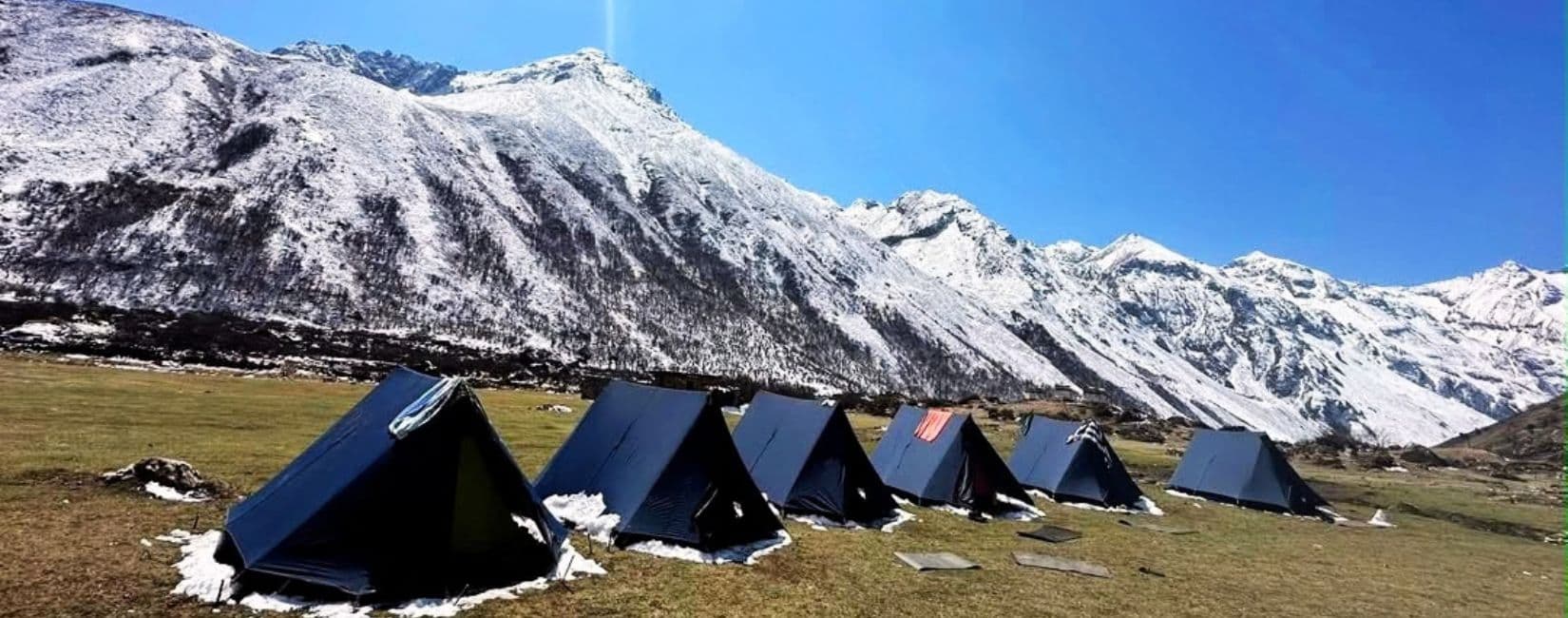
- Jangothang Base Camp: Stand directly beneath the towering, glaciated eastern face of Mount Jhomolhari at 4,050 meters.
- Tiger’s Nest Ascent: Complete a spectacular acclimatization hike to Bhutan’s most famous cliffside monastery overlooking the Paro Valley.
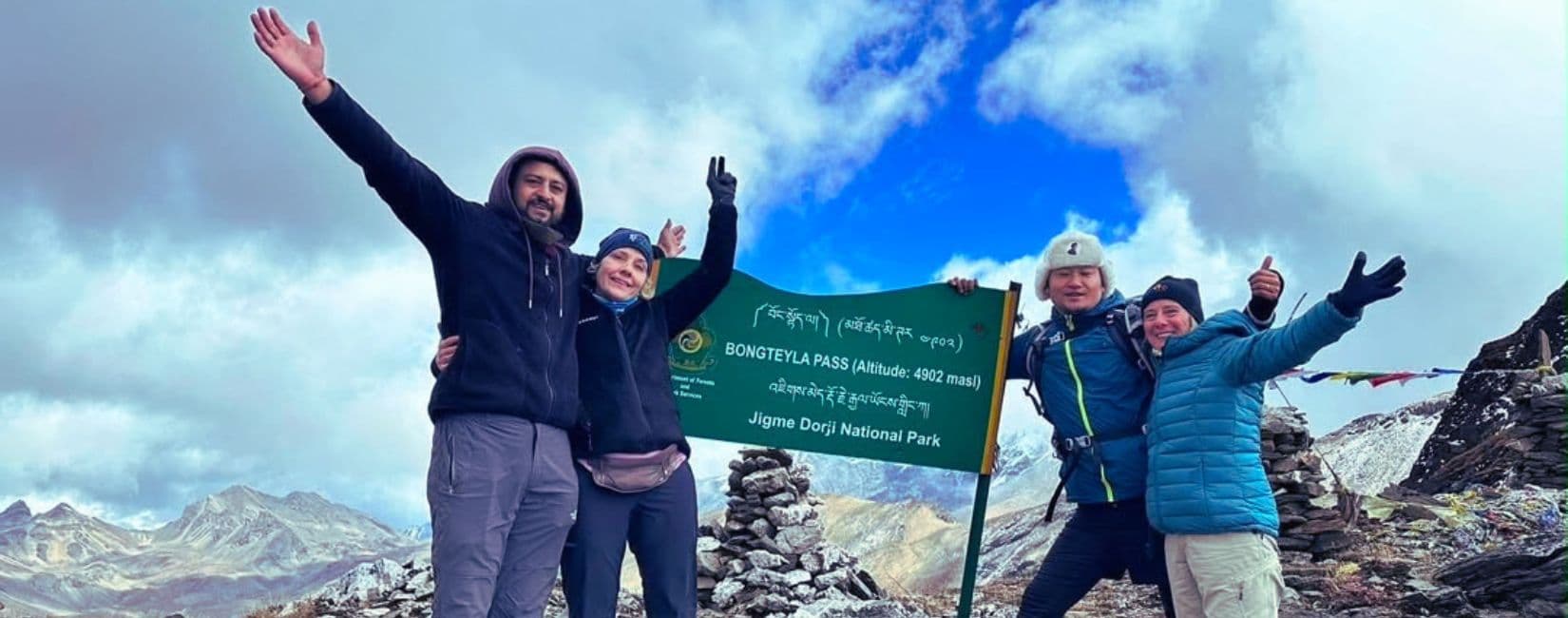
- High Mountain Passes: Conquer challenging alpine routes between Jangothang, Lingshi, and Shodu, reaching elevations up to 4,950 meters.
- Pristine Wilderness: Traverse untouched ecosystems, moving from dense temperate pine forests into raw, high-altitude alpine tundra.
- Cultural Capital: Conclude the adventure with a comprehensive heritage tour of Thimphu, visiting the Buddha Dordenma and Tashichho Dzong.
Mount Jhomolhari Trek in Bhutan
- DestinationBhutan
- Duration12 Days
- GradeDifficult
- ActivitiesTrekking
- AccommodationTents
- Max. Elevation4950m.
- Group SizeMin. 2 Pax
- VehicleLand
- MealsB, L & D
- LanguageEnglish
Trip Highlight
Mount Jhomolhari Trek in Bhutan
Trail Details
Journey Through Mount Jhomolhari Trek in Bhutan
The 12-Day Jhomolhari Trek in Bhutan is a premier high-altitude expedition that strikes a perfect balance between cultural immersion and rigorous alpine trekking. Situated in the pristine western Himalayas of Bhutan, this route takes travelers deep into the domain of Mount Jhomolhari, the sacred peak that forms a natural border with Tibet. Over twelve days, you will transition from the rich historical valleys of Paro and Thimphu to remote, high-altitude alpine zones where traditional nomadic yak herders reside. This trek is designed for those who seek the solitude of untouched Himalayan trails combined with authentic insights into Bhutanese Mahayana Buddhist traditions.
Route Overview
The journey begins in the Paro Valley, offering essential acclimatization with a hike to the iconic Tiger's Nest Monastery. From Paro, the trail heads north through dense pine and rhododendron forests toward Sharna, gradually ascending the Paro Chhu river valley. The route climbs through Sio Thangthangkha to the Jangothang base camp, putting trekkers at the foot of Mount Jhomolhari. After a critical acclimatization day, the path crosses high alpine passes, navigating through Lingshi and Shodu. The descent brings you through Barshong and finally to Dodina, before a short drive transfers you to Thimphu for a well-deserved day of city exploration and cultural sightseeing.
Peaks and sites seen during the trip
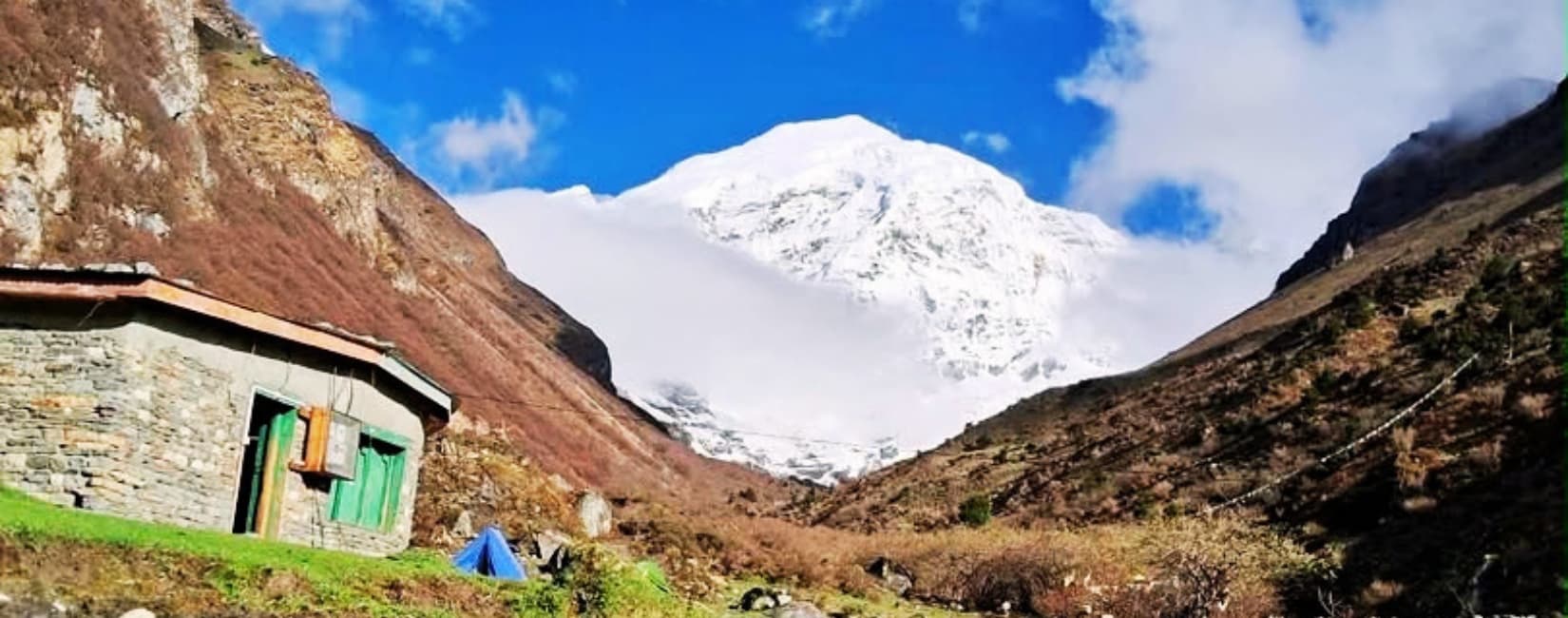
- Mount Jhomolhari (7,326m): Known as the "Bride of Kangchenjunga," this sacred, snow-capped peak dominates the view from Jangothang base camp.
- Jichu Drake (6,989m): A sharp, prominent companion peak visible alongside Jhomolhari, known for its sheer ice walls.
- Tiger's Nest Monastery (Paro Taktsang): A 17th-century temple complex clinging to a vertical cliff wall 900 meters above the Paro Valley.
- Tshophu Lake: High-altitude alpine lake near Jangothang offering dramatic reflections of the surrounding Himalayan giants.
- Lingshi Dzong: An ancient fortress situated at a high elevation, historically used to control travel between Tibet and Bhutan.
- Buddha Dordenma (Thimphu): A massive gilded bronze statue of Shakyamuni Buddha that overlooks the Thimphu valley.
- Tashichho Dzong: The impressive fortress-monastery functioning as the seat of the Bhutanese government and religion.
Table of Altitude & Highlights
|
Location |
Altitude |
Major Highlight |
|
Paro |
2,280m / 7,480ft |
Arrival and cultural introduction to the Paro Valley |
|
Tiger's Nest |
3,180m / 10,433ft |
Acclimatization hike to the iconic cliffside monastery |
|
Sharna |
2,870m / 9,416ft |
First night of wilderness camping by the Paro Chhu river |
|
Sio Thangthangkha |
3,750m / 12,303ft |
Transitioning into the high alpine meadow ecosystem |
|
Jangothang |
4,050m / 13,287ft |
Majestic, up-close views of Mount Jhomolhari |
|
Lingshi |
4,890m / 16,043ft |
Crossing high mountain passes and viewing Lingshi Dzong |
|
Shodu |
4,950m / 16,240ft |
Reaching the highest camping elevation of the trek |
|
Barshong |
3,720m / 12,204ft |
Descending back into the dense rhododendron forests |
|
Thimphu |
2,320m / 7,611ft |
Exploring the capital's landmarks and Bhutanese heritage |
Table of Temperature
Note: Temperatures are averages in Celsius (High/Low) representing typical trekking seasons.
|
Location |
Spring (Mar-May) |
Autumn (Sep-Nov) |
|
Paro (2,280m) |
20°C / 7°C |
22°C / 8°C |
|
Thangthangkha (3,750m) |
12°C / -2°C |
14°C / -1°C |
|
Jangothang (4,050m) |
9°C / -5°C |
10°C / -6°C |
|
Shodu (4,950m) |
5°C / -10°C |
6°C / -12°C |
|
Thimphu (2,320m) |
21°C / 8°C |
23°C / 9°C |
Trip Alternatives
- Druk Path Trek: A shorter, lower-altitude alternative connecting Paro and Thimphu, ideal for those with limited time who still want a wilderness camping experience.
- Snowman Trek: One of the hardest treks in the world, strictly for experienced mountaineers seeking the ultimate Bhutanese Himalayan traverse.
Elevation Chart
Detailed Itinerary
Mount Jhomolhari Trek in Bhutan - 12 days
- Day 01
Arrival in Paro
Your Himalayan adventure begins the moment your flight navigates through the dramatic valleys to land at Paro International Airport. Upon exiting the terminal, our representative will welcome you and arrange an immediate transfer to your designated hotel. The remainder of the morning allows you to settle into your room and rest, ensuring your body begins adjusting to the mountain elevation. In the late afternoon, your lead trekking guide will host a comprehensive pre-trip briefing. This session covers the upcoming route, daily expectations, safety protocols, and a brief introduction to Bhutanese cultural etiquette. You will spend the night at your Paro hotel, preparing your gear for the days ahead.
- MealsDinner Included
- AccommodationHotel
- Travel Duration30 minutes
- Travel Distance5 km (Airport to Hotel)
- RouteParo International Airport to Paro District
- Transportationcar
- Elevation2,280m
- Day 02
Hike to Tiger’s Nest Monastery (3,180m)
After an early breakfast, a short drive brings you to the trailhead of Paro Taktsang, universally known as Tiger’s Nest. This vital acclimatization hike climbs sharply through dense, aromatic pine forests draped in Spanish moss. After roughly two hours of steady ascent, the trail opens to an unforgettable viewpoint, revealing the 17th-century monastery clinging to a sheer cliff face 900 meters above the valley floor. You will cross a bridge over a dramatic waterfall to enter the complex, exploring its ancient meditation caves and shrines alongside your guide. Following a packed lunch with panoramic views, you will descend back to the valley and return to your Paro hotel for the evening.
- MealsBreakfast, Lunch, and Dinner Included
- AccommodationHotel
- Travel Duration4-5 hours
- Travel Distance5 km (Trek)
- RouteParo District to Paro District
- Transportationcar
- Elevation2,280m to 2,280m
- Day 03
Paro to Sharna
Today, the true wilderness portion of your journey starts. A scenic morning drive transports you past the ruins of Drukgyel Dzong to the official trailhead. The initial path is gentle, tracing the contours of the Paro Chhu river valley. You will hike through a vibrant agricultural landscape that slowly transitions into dense, pristine forests of oak, pine, and rhododendron. The trail features moderate, undulating terrain, perfect for easing into a sustained trekking rhythm. By late afternoon, you will arrive at the Sharna campsite, set in a beautiful clearing near the river. Your crew will have the tents erected and a hot dinner prepared upon your arrival.
- MealsBreakfast, Lunch, and Dinner Included
- Travel Duration5-6 hours
- Travel Distance17 km
- RouteParo District to Sharna Zampa
- Transportationfoot
- Elevation2,280m to 2,870m
- Day 04
Trek from Sharna to Sio Thangthangkha
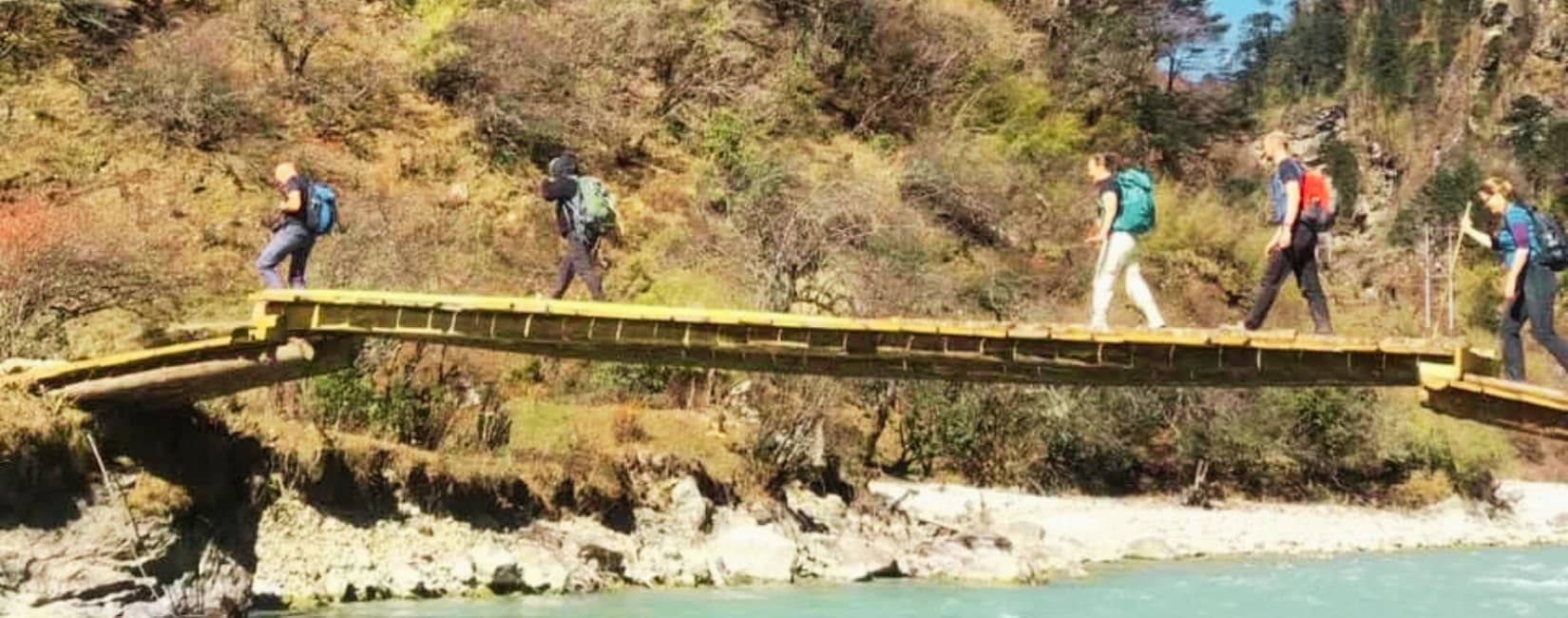
Wake up to the sounds of the rushing river and enjoy a warm breakfast in the dining tent. Today’s route continues upward along the Paro Chhu, plunging deeper into the Jigme Dorji National Park. The trail narrows and becomes more rugged, requiring careful footwork as it weaves through heavy alpine forests. You will cross the river multiple times via traditional wooden bridges, steadily gaining altitude. As you clear the tree line, the landscape opens dramatically. If the weather is clear, arriving at the Sio Thangthangkha campsite rewards you with your first breathtaking, unobstructed glimpse of the snow-capped peak of Mount Jhomolhari towering at the head of the valley.
- MealsBreakfast, Lunch, and Dinner Included
- Travel Duration7-8 hours
- Travel Distance21 km
- RouteSharna Zampa to Thangthangkha Camp
- Transportationfoot
- Elevation2,870m to 3,750m
- Day 05
Thangthangkha to Jangothang
Leaving Thangthangkha, the trail leaves the dense forests entirely, entering a high-altitude alpine ecosystem characterized by stunted juniper and vast meadows. The ascent is gradual but noticeable due to the thinning air. You will pass through small, remote settlements and traditional yak herder camps, offering a glimpse into the resilient nomadic lifestyle of the high Himalayas. The valley widens significantly as you approach Jangothang, the base camp for Mount Jhomolhari. The campsite is situated directly beneath the eastern face of the mountain, surrounded by ancient ruined fortresses. You will spend the night here, enveloped by the sheer scale of the surrounding glacial peaks.
- MealsBreakfast, Lunch, and Dinner Included
- Travel Duration5-6 hours
- Travel Distance19 km
- RouteThangthangkha Camp to Jangothang
- Transportationfoot
- Elevation3,750m to 4,050m
- Day 06
Rest Day at Jangothang for Acclimatization
Altitude safety dictates a mandatory acclimatization day at Jangothang before pushing over the high mountain passes. You will not pack up camp today. Instead, the day is dedicated to active recovery. Your guide will lead an acclimatization hike higher up the valley walls towards the spectacular Tshophu high-altitude lakes. This "climb high, sleep low" strategy is critical for your body's adaptation. The area offers incredible photographic opportunities, with sweeping views of Jhomolhari and its neighboring peak, Jichu Drake. Keep an eye out for rare Himalayan wildlife, including blue sheep and marmots. Return to camp for a hearty lunch and a restful afternoon.
- MealsBreakfast, Lunch, and Dinner Included
- Travel Duration2-3 hours
- Travel Distance2-4 km (Exploration)
- RouteJangothang to Jangothang
- Transportationfoot
- Elevation4,050m to 4,050m
- Day 07
Trek from Jangothang to Lingshi
Today presents one of the most demanding and rewarding legs of the entire expedition. You will depart Jangothang and tackle the steep, sustained climb up to the Nyilila Pass, situated at nearly 4,900 meters. The physical exertion is immense, but the panoramic vistas of Jhomolhari, Jichu Drake, and Tsherimgang from the summit of the pass are unparalleled. After taking time to rest and photograph the peaks, you will begin a long descent into the Lingshi basin. As you approach the campsite, the commanding Lingshi Dzong comes into view, perched dramatically on an isolated ridge. You will camp near the village, resting after a grueling but spectacular day.
- MealsBreakfast, Lunch, and Dinner Included
- Travel Duration6-7 hours
- Travel Distance21 km
- RouteJangothang to Lingshi
- Transportationfoot
- Elevation4,050m to 4,890m
- Day 08
Trek from Lingshi to Shodu
Prepare for another physically taxing day traversing high-altitude terrain. The route climbs steadily out of the Lingshi basin toward the Yalila Pass, the highest elevation reached on this trek at 4,950 meters. The trail snakes through desolate alpine tundra and moraine fields. Crossing the pass, you are treated to sweeping views of the great Himalayan peaks stretching toward Tibet, including the massive Tserim Kang. The subsequent descent toward Shodu is steep and rocky, tracing the path of the upper Thimphu River. The landscape shifts rapidly as you drop back down into patches of rhododendron and dwarf alpine shrubbery before arriving at the remote Shodu campsite.
- MealsBreakfast, Lunch, and Dinner Included
- Travel Duration7-8 hours
- Travel Distance22 km
- RouteLingshi to Shodu
- Transportationfoot
- Elevation4,890m to 4,950m
- Day 09
Trek from Shodu to Barshong
Today's trek is defined by a continuous descent back into the forested valleys. You will follow the Thimphu Chhu river, winding through thick pine, oak, and rhododendron forests that provide a stark contrast to the barren alpine zones of the previous days. The trail features a series of moderate ascents and descents along the riverbank, passing dramatic waterfalls and high cliff faces. The increased oxygen levels at this lower elevation make the hiking noticeably easier on the lungs. By late afternoon, you will reach the ruined fortress of Barshong Dzong. Your campsite is set on a quiet plateau just below the ruins, offering a peaceful evening.
- MealsBreakfast, Lunch, and Dinner Included
- Travel Duration4-5 hours
- Travel Distance14 km
- RouteShodu to Barshong Dzong
- Transportationfoot
- Elevation4,950m to 3,720m
- Day 10
Trek from Barshong to Dodina, Drive to Thimphu
The final trekking day takes you from Barshong down to the road head at Dodina. The trail descends steeply at times through heavy bamboo and pine forests, crisscrossing small tributary streams. The air grows warmer and more humid as you drop steadily in elevation. Upon reaching Dodina, the wilderness segment of your journey concludes. Our transport vehicles will be waiting to meet you for the short, one-hour drive south into Thimphu, the bustling capital city of Bhutan. After checking into your hotel, you can enjoy your first hot shower in over a week before heading out to a local restaurant to celebrate the completion of the trek.
- MealsBreakfast, Lunch, and Dinner Included
- AccommodationHotel
- Travel Duration7-8 hours trekking, 1 hour driving
- Travel Distance22 km trek, plus 1 hr drive
- RouteBarshong Dzong to Thimphu
- Transportationfoot
- Elevation3,720m to 2,320m
- Day 11
Sightseeing in Thimphu City
Spend the day discovering the cultural and historical highlights of Thimphu. Your tour begins at Kuensel Phodrang to witness the massive Buddha Dordenma statue, which offers sweeping views over the Thimphu valley. From there, you will visit the Memorial Chorten, a focal point of daily worship for local residents. The afternoon includes stops at the Bhutan Postal Museum and local artisan craft markets where you can purchase authentic hand-woven textiles and souvenirs. The day concludes with a guided tour of the imposing Tashichho Dzong, an architectural masterpiece that houses the throne room of the King. Enjoy a farewell dinner featuring traditional Bhutanese cuisine.
- MealsBreakfast, Lunch, and Dinner Included
- AccommodationHotel
- Travel Duration5-6 hours
- Travel Distance15 km (City driving)
- RouteThimphu to Thimphu
- Transportationcar
- Elevation2,320m to 2,320m
- Day 12
Transfer to Paro Airport – Departure
After a final breakfast at your hotel in Thimphu, it is time to conclude your Himalayan journey. You will check out of your room, and our driver will transfer you along the scenic highway back to Paro International Airport. The drive takes approximately an hour and a half, following the course of the Wang Chhu and Paro Chhu rivers. Upon arrival at the terminal, your guide will assist you with your luggage and the final check-in procedures. You will board your onward flight carrying profound memories of the immense peaks, ancient monasteries, and resilient culture encountered on the Jhomolhari Trek.
- MealsBreakfast, Lunch, and Dinner Included
- Travel Duration1.5 hours
- Travel Distance50 km
- RouteThimphu to Paro International Airport
- Transportationcar
- Elevation2,320m to 2,280m
If the provided schedule isn't suitable for you, we can create personalized travel arrangements.
Customize My TripTrekking Guide
Everything you need to know
Trip Grades
The Jhomolhari Trek is classified as a Strenuous trek. It demands a high level of stamina and endurance. You will be walking for 6 to 8 hours on multiple days, traversing steep, uneven rocky terrain, and sleeping at elevations exceeding 4,000 meters for several consecutive nights.
Physical Requirement and Health
Participants must be in excellent cardiovascular health. You should be capable of sustained physical exertion at high altitudes where oxygen levels are significantly lower. Individuals with pre-existing heart, lung, or knee conditions must consult a physician before booking. A thorough medical check-up prior to departure is highly recommended.
Training program
Begin a dedicated training regimen at least 8 to 12 weeks prior to arrival. Focus heavily on cardiovascular exercises such as running, swimming, or cycling for 45-60 minutes, 4 times a week. Incorporate long hikes (4-6 hours) on weekends carrying a 5-7 kg daypack. Stair climbing and leg-strengthening exercises (lunges, squats) are essential for the steep ascents and descents on this route.
Age Limit
Due to the extreme altitudes and physical demands, this trek is restricted to individuals between the ages of 16 and 65. A legal guardian must accompany minors. Older participants with verifiable high-altitude trekking experience may be considered on a case-by-case basis with medical clearance.
Group size
We operate this trek with a minimum of 2 participants and a maximum of 12 participants. Keeping the group small ensures personalized attention from the guide, better environmental practices at campsites, and flexibility in pacing for optimal acclimatization.
Best time to visit
The optimal windows for the Jhomolhari Trek are Spring (March to May) and Autumn (September to November). Spring offers blooming rhododendrons and moderate temperatures, though afternoons can bring light showers. Autumn provides the clearest skies and sharpest mountain views, but nighttime temperatures drop significantly, often plunging well below freezing at higher camps like Shodu and Lingshi. Winter is inaccessible due to heavy snow blocking the passes, and Summer (monsoon) brings heavy rain, leeches, and obscured views.
Visa Information
Bhutan requires all international tourists to obtain a visa prior to arrival. Our team handles the entire visa processing application on your behalf. You need to provide a clear color scan of your passport (valid for at least 6 months beyond your exit date) and a passport-sized photograph. The $40 visa fee is included in your package.
Necessary Permits
Special route permits are required to enter the protected areas of the Jigme Dorji National Park, where the Jhomolhari Trek takes place. Himalayan Planet Adventures procures all necessary trekking permits and clearances from the Bhutanese government in advance.
Insurance details
Comprehensive travel insurance covering high-altitude trekking up to 5,000 meters and emergency helicopter evacuation is mandatory. It must be purchased in your home country before departure. Providers like World Nomads, Global Rescue, or your local national insurance providers offer specific adventure travel policies tailored for Himalayan expeditions.
Transportation and/or Domestic Flight
All ground transportation within Bhutan is provided in comfortable, well-maintained SUVs (5-seaters including the driver). This covers airport transfers, the drive to the trekking trailheads, and the journey from Dodina to Thimphu. There are no domestic flights required for this specific itinerary.
|
Group size |
Vehicle type |
Seating capacity |
|
2 Pax |
SUV |
5-Seater including driver |
Packaging and Luggage Information
Pack using a layering system. Essential items include a high-quality down jacket, waterproof/windproof outer shell, thermal base layers, sturdy broken-in trekking boots, and a warm sleeping bag (rated to -15°C). Keep your main luggage in a soft duffel bag (max 15 kg for pack animals). You will carry a personal daypack (25-30 liters) for daily essentials like water, sunscreen, a camera, and layers.
Porter service
In Bhutan, pack animals (horses, mules, or yaks) carry the main luggage, camping gear, and food supplies rather than human porters. The pack animals and their handlers move ahead of the group to set up the camps. You will only need to carry your personal daypack during the day's hike.
Accommodation, meals, and water
City stays in Paro and Thimphu feature comfortable 3-star equivalent hotels (Hotel Mandala, Meta Resort) with en-suite bathrooms and Wi-Fi. During the trek, you will sleep in spacious 2-man tents equipped with mattresses. The dedicated camp chef prepares fresh, hot meals daily—ranging from continental dishes to Bhutanese specialties. All drinking water provided at camp is strictly boiled and treated for safety.
|
Destination |
Names of Hotels |
Accommodation |
|
Paro |
Hotel Mandala/ Meta Resort/ similar-2nights |
Hotel |
|
Trek Start - Shana |
Trek |
Camp |
|
Thangthangkha |
Trek |
Camp |
|
Jangothang |
Trek-2 Nights |
Camp |
|
Lingzhi |
Trek |
Camp |
|
Shodu |
Trek |
Camp |
|
Barshong |
Trek |
Camp |
|
Dodina - Thimphu |
City hotel/similar – 2 Nights |
Hotel |
|
Departure |
|
|
Altitude Information, Acclimatization, and AMS safety
This itinerary is meticulously structured to allow proper acclimatization. We spend two nights in Paro and include a designated rest day at Jangothang (4,050m) before crossing the higher passes. Guides carry a comprehensive first-aid kit and canned oxygen. If symptoms of Acute Mountain Sickness (AMS) present, the protocol is immediate descent.
Internet and Phone connectivity
Wi-Fi is reliably available at your hotels in Paro and Thimphu. Once the trek begins past Sharna, there is no Wi-Fi and mobile network coverage is highly intermittent or completely absent. Treat the trekking portion as an off-grid digital detox.
Currencies acceptable
The local currency is the Bhutanese Ngultrum (BTN), which is pegged to the Indian Rupee (INR). US Dollars are widely accepted in major handicraft shops and hotels in Thimphu and Paro. It is advisable to withdraw or exchange money into Ngultrum at Paro Airport or in the cities before the trek for small purchases or tips.
Tipping Guidelines
Tipping is a customary way to show appreciation for the hard work of your field staff. While not mandatory, it is expected. A general guideline is $10-$15 per day for your lead guide, and a pooled amount of $8-$12 per day for the cook, driver, and pack animal handlers. Tips are best distributed in envelopes on the final day of the trek.
Area Guidelines
The trek takes place largely within Jigme Dorji National Park. Strict "Leave No Trace" principles apply. Do not pick flora, disturb wildlife, or leave any synthetic waste behind. Respect local religious structures (chortens and mani walls) by always walking to the left side of them.
Photography guidelines and cultural sensitivity
Bhutan is deeply traditional. Always ask for permission before photographing local people, especially nomads or monks. Photography is strictly prohibited inside the main altars of temples, dzongs, and monasteries, including Tiger's Nest. Dress modestly when visiting religious sites (long trousers and long sleeves).
How to Book this trip
To secure your spot, contact the Himalayan Planet Adventures team via our website inquiry form or direct email. A deposit of 30% is required to initiate the visa and permit process. The remaining balance can be settled via secure bank transfer prior to your arrival in Bhutan.
Trip FAQs
Will I be safe traveling and trekking as a solo female?
Absolutely. Bhutan is globally recognized as one of the safest countries in the world for travelers. Our local guides are rigorously trained professionals who ensure a secure, respectful, and supportive environment at all times, whether you are in the city or at remote high-altitude campsites.
Do I need a high level of fitness for this trek?
Yes, you do. You will be walking up to 8 hours a day over rocky terrain at elevations above 4,000 meters. You must have strong cardiovascular endurance and stamina to comfortably handle the steep ascents and high-mountain passes.
Can I charge my camera batteries during the trek?
Once we leave Paro, there is no access to electricity at the campsites. You must bring high-capacity portable power banks or solar chargers to keep your devices powered for the 7 days we are in the wilderness.
What happens if I get altitude sickness?
Your guide monitors your health closely every day. We carry first aid and emergency oxygen. If you develop severe AMS symptoms that do not improve with rest and hydration, our strict protocol is immediate descent to a lower altitude and, if necessary, arranging a rapid evacuation.
Do I have to carry my own heavy backpack?
No, you do not. Pack horses or yaks transport all the heavy camping equipment, food, and your main duffel bag. You only need to carry a lightweight daypack with your water, jacket, camera, and daily essentials.
Customer's words
Traveller Review
Beautiful experience in Nagarkot
Watching the sunrise at Nagarkot was absolutely breathtaking, and our guide made the trek smooth and informative. During the journey, we were able to enjoy the charming villages, stunning natural scenery, and beautiful temples along the way. Our guide was very knowledgeable about Nepal’s culture, nature, and temples, and was attentive and professional throughout the trek.
The transportation and overall organization were reliable, ensuring a comfortable and enjoyable experience.
Overall, it was a well-organized and memorable trek, and I highly recommend their guiding services.30th Dec, 2025 A Perfect Nepal Experience with Himalaya Planet Adventure & the Amazing Guide Ananta🌹
From the very early planning stages , Himalaya Planet Adventure showed incredible professionalism, flexibility, and communication
My guide, Ananta. From the moment I was picked up at the airport, Ananta made me feel like I was traveling with friend— always punctual, full of positive energy, and incredibly knowledgeable about every place we visited. In just a short amount of time, we were able to explore so much of Kathmandu thanks to the smart planning and flexibility. From the breathtaking Chandragiri Hills cable car ride to the Swayambhunath (Monkey Temple), the majestic Boudhanath Stupa, the sacred Pashupatinath Temple, a unique visit to a Kashmiri mosque, and the vibrant squares of Kathmandu Durbar Square, everything was seamless.
To top it all off, we had a wonderful cultural dinner at Gokarna House, complete with live performances
Thank you again to the entire Himalaya Planet Adventure head and team for such an unforgettable journey. I highly recommend this company to anyone visiting Nepal — whether for a day or a week, they will maximize your experience with care, professionalism, and heart.
Sherif, Egypt — Tour in April 2025
13th Apr, 2025 Superb
Stunning and breathtaking , awesome view of the Himalayas, This had been my dream to see Mt. Everest from close quarters. I believe Moutain has always inspired me to be strong , bold , and stand tall amidst crisis. The snow clad mountain ranges was looking as though someone had painted in a canvas . I wish I could actually set my foot on them , walk up to the top and say Ahoy I have arrived .
1st Jul, 2023 Gokyo Trekking
We had a wonderful time in Nepal. Himalayan Planet and our guide Hari were top organised from the airport pickup to the return flight.
Our adventure started with Hari and our porter via the airport Ramechhap (flights from Kathmandu are cancelled increasingly). Hari was always worried about our well-being and tour changes and wishes were accepted without discussion. The selected teahouses were quite good according to the local standard. The food served in the teahouses was always very good (we only had veggie food ).
Himalayan Planet surprised us with a direct helicopter flight from Lukla to Kathmandu after we had arrived in Lukla two days earlier than planned. We heard later that this was the last flight for two days out of Lukla due to the misty weather.
We can highly recommend Hari as a tour guide. He is funny, knows the Everest area very well and is extremely adaptable and kind.
We thank Himalayan Planet for the great organisation and would like to recommend them warmly.
Julia and Miri
19th Dec, 2022 Simply amazing!
Roshan is a very thoughtful, knowledgeable and flexible guide. He has accommodated all of our requests and made our experience memorable. I would definitely book with Roshan again next time I'm back in Kathmandu for tours.
31st Dec, 2021