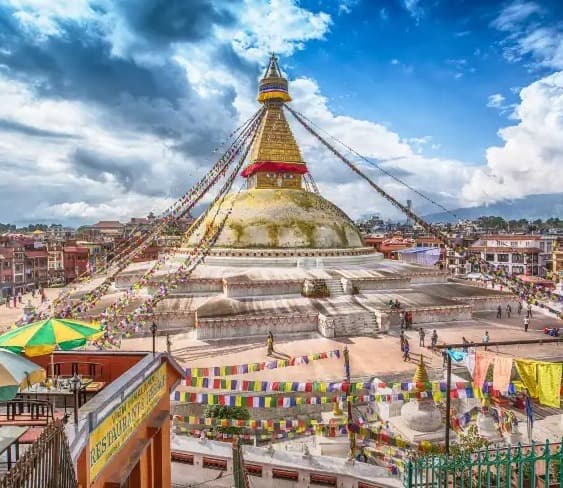
Bhutan is one of the world's most fascinating Himalayan destinations, known for its ancient Buddhist culture, dramatic mountain landscapes, traditional architecture, peaceful valleys, and distinctive way of life.
For travelers with limited vacation time, a 5-day Bhutan Cultural Tour focusing on Thimphu and Paro is an excellent way to experience the country's highlights without spending weeks on the road. This short Bhutan itinerary combines cultural sightseeing, historic monasteries and dzongs, traditional arts, local experiences, and the famous hike to Tiger's Nest Monastery.
Thimphu introduces travelers to Bhutan's modern capital and cultural institutions, while Paro offers historic temples, traditional architecture, beautiful mountain scenery, and access to Taktsang Monastery.
This guide covers everything you need to know about a 5-day Bhutan Cultural Tour, including the itinerary, cost, cultural highlights, what you can expect to witness, physical requirements, best time to visit, accommodation, food, visa information, and practical travel tips.
Why Visit Bhutan?
Bhutan offers a travel experience that feels very different from many other Himalayan destinations.
Instead of focusing only on trekking and mountain adventures, Bhutan allows visitors to experience a living culture where Buddhist traditions, architecture, festivals, handicrafts, and local customs remain an important part of everyday life.
During a Bhutan cultural tour, you can expect to see:
-
Ancient Buddhist monasteries and temples
-
Impressive dzongs and traditional fortresses
-
Colorful prayer flags and stupas
-
Traditional Bhutanese architecture
-
Local arts and crafts
-
Textile and weaving traditions
-
Buddhist paintings and religious artwork
-
Traditional Bhutanese clothing
-
Himalayan valleys and mountain scenery
-
Local markets and handicraft shops
-
Traditional Bhutanese food
-
Religious festivals and cultural performances, depending on the season
A short itinerary based around Thimphu and Paro allows travelers to experience many of these attractions without traveling to the more distant regions of Bhutan.
5 Days Bhutan Cultural Tour at a Glance
The five-day journey is designed as a cultural sightseeing tour with one major hiking experience.
|
Tour Detail |
Information |
|
Destination |
Bhutan |
|
Duration |
5 Days / 4 Nights |
|
Main Destinations |
Thimphu and Paro |
|
Tour Grade |
Easy to Moderate |
|
Activities |
Cultural sightseeing and hiking |
|
Accommodation |
3-, 4-, or 5-star hotels |
|
Highest Point |
3,120m at Tiger's Nest |
|
Transportation |
Private vehicle |
|
Meals |
Breakfast, Lunch & Dinner |
|
Guide |
English-speaking local guide |
|
Group Size |
1–25 people |
|
Starting Price |
From US$919 per person |
What to Expect on a Bhutan Cultural Tour
The 5 Days Bhutan Cultural Tour is primarily focused on culture, history, religion, and scenery rather than strenuous trekking.
Most of the trip involves comfortable sightseeing around Thimphu and Paro, with short walks through historic sites, museums, monasteries, dzongs, markets, and town centers.
The biggest physical challenge is the Tiger's Nest hike on Day 4.
You can generally expect:
A Comfortable Cultural Journey
You will travel between Paro and Thimphu in a private vehicle with an English-speaking guide and driver.
Ancient Buddhist Heritage
The tour takes you to important temples, monasteries, dzongs, stupas, and other religious sites that reveal Bhutan's deep Buddhist heritage.
Traditional Arts and Crafts
Visits to cultural institutions provide an opportunity to learn about Bhutan's traditional painting, sculpture, woodwork, weaving, and other crafts.
Himalayan Scenery
The journey between Paro and Thimphu passes through beautiful mountain valleys, forests, rivers, and traditional settlements.
One Memorable Himalayan Hike
The Tiger's Nest hike provides the adventure element of the itinerary. The trail climbs through pine forests and eventually reaches the famous monastery perched dramatically on a cliff.
Bhutanese Food
Meals can include traditional Bhutanese dishes as well as Indian, Chinese, and continental options.
What Can You Witness During the Tour?
One of the biggest advantages of this itinerary is the variety of cultural experiences packed into five days.
Chuzom Confluence
Chuzom is the meeting point of the Paro and Thimphu rivers.
Three stupas representing Tibetan, Nepalese, and Bhutanese architectural styles make this a distinctive stop on the journey between Paro and Thimphu.
Tamchog Lhakhang
Tamchog Lhakhang is a historic temple associated with Thangtong Gyalpo, a famous Tibetan Buddhist master and engineer.
The traditional iron-chain bridge leading toward the temple adds another interesting element to the visit.
Thimphu's Cultural Institutions
Thimphu is the cultural and administrative center of Bhutan.
During the tour, you can visit institutions such as the National Library, the Institute for Zorig Chusum, and the Textile Museum to gain a deeper understanding of Bhutanese traditions.
Buddha Dordenma
The enormous Buddha Dordenma statue overlooks Thimphu Valley from Kuensel Phodrang.
The statue and surrounding viewpoint offer one of the best panoramic views of the capital.
Tashichho Dzong
Tashichho Dzong is one of Thimphu's most important landmarks.
The impressive fortress combines Bhutanese architecture with important religious and administrative functions.
Simtokha Dzong
Simtokha Dzong is one of Bhutan's oldest surviving fortresses.
Its historical significance and traditional architecture make it an important stop between Thimphu and Paro.
Ta Dzong and the National Museum
Ta Dzong was originally constructed as a watchtower and is now home to Bhutan's National Museum.
The museum offers an introduction to Bhutanese history, art, religious objects, textiles, and traditional culture.
Rinpung Dzong
Rinpung Dzong is one of the most recognizable landmarks in Paro.
Its massive white walls, traditional wooden architecture, courtyards, and religious artwork make it one of the highlights of the valley.
Tiger's Nest Monastery
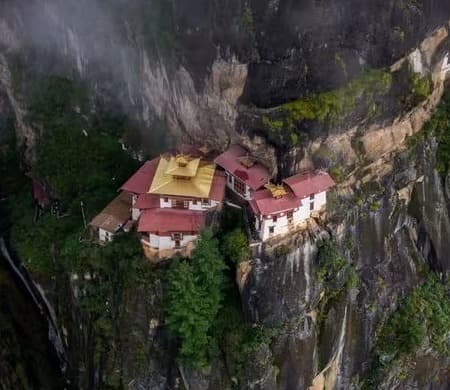
The highlight of the trip is undoubtedly Taktsang Monastery, commonly known as Tiger's Nest.
The monastery sits dramatically on a cliff above Paro Valley and is closely associated with the story of Guru Rinpoche and the introduction of Buddhism to Bhutan.
Reaching the monastery requires a challenging uphill hike, but the scenery and cultural significance make the experience unforgettable.
Kyichu Lhakhang
Kyichu Lhakhang is one of Bhutan's oldest and most important temples.
The historic temple provides another opportunity to experience Bhutan's Buddhist traditions and religious architecture.
Detailed 5-Day Bhutan Cultural Tour Itinerary
Day 1: Arrival in Paro and Transfer to Thimphu
Your Bhutan adventure begins with your arrival at Paro International Airport.
The approach into Paro is famous for its dramatic mountain scenery. After completing immigration formalities, you will meet your guide and driver and begin the journey toward Thimphu.
The drive follows the valley toward Chuzom, where the Paro and Thimphu rivers meet. You will also stop at Tamchog Lhakhang before continuing toward the capital.
After arriving in Thimphu, the evening can be spent relaxing or taking a short walk around the town.
Overnight: Thimphu
Meals: Dinner
Elevation: Approximately 2,200–2,334m
Day 2: Explore Thimphu
Day 2 is dedicated to discovering the cultural side of Bhutan's capital.
The morning includes visits to the National Library, Institute for Zorig Chusum, and Textile Museum.
These attractions provide insight into Bhutanese literature, traditional arts, crafts, and weaving traditions.
After lunch, continue to Kuensel Phodrang to see the Buddha Dordenma statue and enjoy panoramic views across the Thimphu Valley.
You will also visit the King's Memorial Chorten, where you can observe residents practicing their daily religious traditions.
The day ends with a visit to Tashichho Dzong.
Overnight: Thimphu
Meals: Breakfast, Lunch & Dinner
Elevation: Approximately 2,334m
Day 3: Thimphu to Paro
After breakfast, leave Thimphu and begin the scenic drive toward Paro.
The journey includes a stop at Simtokha Dzong before continuing through the mountain valley.
Once you arrive in Paro, visit Ta Dzong, home to the National Museum.
Afterward, walk toward Rinpung Dzong and explore its impressive courtyards, architecture, and surrounding views.
The remainder of the afternoon can be spent exploring Paro town.
Overnight: Paro
Meals: Breakfast, Lunch & Dinner
Elevation: Approximately 2,334m → 2,200m
Day 4: Tiger's Nest Monastery Hike
Day 4 is the most adventurous part of the journey.
After breakfast, drive to the Tiger's Nest trailhead and begin the uphill hike through pine forests and mountain scenery.
As you climb higher, views of Taktsang Monastery gradually appear across the valley.
The round-trip hike generally takes around 4–5 hours, depending on your pace, rest breaks, and trail conditions.
After reaching the monastery, take time to explore the religious complex before beginning the descent.
Later in the afternoon, visit Kyichu Lhakhang, one of Bhutan's historic temples.
Overnight: Paro
Meals: Breakfast, Lunch & Dinner
Hiking: Approximately 4–5 hours round trip
Distance: Approximately 6.5 km
Highest Elevation: Approximately 3,120m
Day 5: Departure from Bhutan
Enjoy your final breakfast in Paro before your guide and driver transfer you to Paro International Airport.
Depending on your flight schedule, there may be some time for a final walk or view of the Paro Valley before departure.
Meals: Breakfast
Airport Transfer: Approximately 15–20 minutes
Altitude During the Bhutan Cultural Tour
The itinerary remains at relatively moderate elevations for most of the journey, with the highest point reached during the Tiger's Nest hike.
|
Location |
Approx. Altitude |
Main Highlight |
|
Paro |
2,200m / 7,218 ft |
Rinpung Dzong and National Museum |
|
Thimphu |
2,334m / 7,657 ft |
Buddha Dordenma and Tashichho Dzong |
|
Tiger's Nest |
3,120m / 10,236 ft |
Taktsang Monastery |
Because you spend several nights in Paro and Thimphu before the Tiger's Nest hike, your body has some time to adjust to the elevation.
Bhutan Cultural Tour Cost
The total price depends on the hotel category and number of travelers.
|
Package |
Hotel Category |
Starting Price |
Solo Traveler |
|
Standard |
3-Star |
US$919 |
US$1,419 |
|
Deluxe |
4-Star |
US$1,039 |
US$1,599 |
|
Luxury |
5-Star |
US$2,069 |
US$3,579 |
Larger groups generally receive a lower per-person rate, while solo travelers have a higher individual price.
The cost of a Bhutan trip also depends on factors such as accommodation category, travel season, group size, activities, and additional experiences.
What Does the Tour Cost Include?
Depending on the selected package, the tour includes:
-
Hotel accommodation
-
3, 4-, or 5-star hotel options
-
Breakfast, lunch, and dinner
-
Private transportation
-
English-speaking local guide
-
Bhutan Sustainable Development Fee (SDF)
-
Government royalties and applicable taxes
-
Monument and entrance fees
-
Two bottles of water per person per day
-
Bhutan visa fee
This makes budgeting easier because many of the major expenses are included in the package price.
What Is Not Included?
Some expenses remain the responsibility of the traveler, including:
-
International airfare
-
Airline airport taxes
-
Travel insurance
-
Medical expenses
-
Personal expenses
-
Laundry
-
Telephone calls
-
Shopping
-
Tips
-
Alcoholic and other personal beverages
-
Camera fees where applicable
-
Hot stone bath experiences
-
Single supplement
An optional Traditional Mask Dance & Cultural Show may also be arranged at an additional cost of US$150 per group.
Physical Fitness and Tiger's Nest Hike
The overall tour is considered easy to moderate, with the Tiger's Nest hike being the main reason for the moderate rating.
You do not need technical mountaineering experience. However, you should be comfortable walking uphill for several hours on uneven trails and stone stairs.
The trail includes:
-
Steep uphill sections
-
Uneven dirt paths
-
Forest trails
-
Stone stairs
-
Sections at more than 3,000m
Travelers can prepare by walking regularly, climbing stairs, hiking on uneven terrain, and improving cardiovascular fitness before the trip.
If completing the entire hike is not possible, travelers may choose to stop at an intermediate viewpoint rather than continuing to the monastery.
Best Time to Visit Bhutan
Bhutan can be visited throughout the year, but the experience varies significantly by season.
|
Season |
Months |
What to Expect |
|
Spring |
March–May |
Mild weather, blooming flowers and festivals |
|
Summer/Monsoon |
June–August |
Rain, greener landscapes and potentially muddy trails |
|
Autumn |
September–November |
Clear skies and excellent mountain views |
|
Winter |
December–February |
Cold temperatures, fewer visitors, and clear valley scenery |
Spring in Bhutan
Spring is a beautiful time to visit, particularly for travelers interested in flowers and comfortable daytime temperatures.
Summer in Bhutan
The monsoon brings rainfall and greener landscapes. Some trails may become muddy, and weather can affect transportation and flights.
Autumn in Bhutan
Autumn is one of the most popular seasons for Bhutan travel. Clear skies and good visibility make it particularly attractive for mountain views and photography.
Winter in Bhutan
Winter is colder, especially during mornings and evenings, but the valleys can be peaceful and less crowded.
What to Pack for a 5-Day Bhutan Tour
Because this is primarily a cultural tour, you do not need extensive trekking equipment.
Clothing
Pack:
-
Comfortable walking trousers
-
T-shirts and shirts
-
Warm layers
-
Fleece or sweater
-
Light jacket
-
Waterproof jacket
-
Comfortable walking shoes
For Tiger's Nest
Bring:
-
Hiking shoes
-
Small daypack
-
Reusable water bottle
-
Sunglasses
-
Sunscreen
-
Light snacks
-
Rain protection
For Religious Sites
Modest clothing is important when visiting temples, monasteries, and dzongs. Clothing that covers the shoulders and knees is recommended.
Bhutanese Culture and Traditions
Bhutan's culture is one of the main reasons travelers visit the country.
The journey gives you opportunities to observe:
-
Buddhist religious traditions
-
Prayer wheels
-
Prayer flags
-
Traditional architecture
-
Dzong construction
-
Traditional clothing
-
Bhutanese handicrafts
-
Weaving and textiles
-
Traditional painting
-
Local festivals
-
Buddhist artwork
-
Archery and other cultural traditions
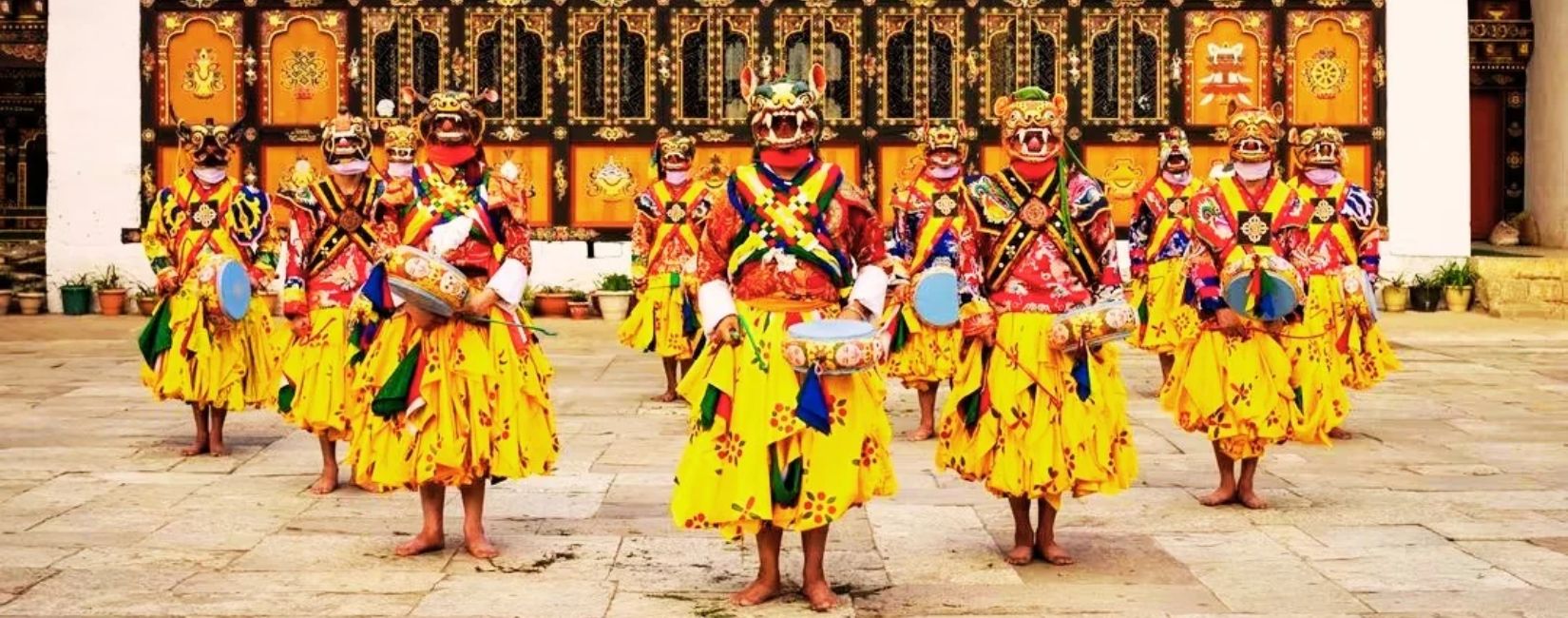
Depending on the season, you may also have an opportunity to witness traditional festivals featuring music, dancing, elaborate costumes, and masked performances.
Bhutanese Food You Can Experience
Food is an important part of the cultural experience.
One of the most famous Bhutanese dishes is Ema Datshi, a combination of chilies and cheese that is commonly associated with Bhutanese cuisine.
Other foods you may encounter include:
-
Bhutanese red rice
-
Momos
-
Phaksha Paa
-
Vegetable dishes
-
Local curries
-
Soups
-
Indian and Chinese dishes
Hotels and restaurants serving tourists usually provide a combination of Bhutanese and international meals.
Photography Opportunities
The Thimphu and Paro cultural tour offers excellent opportunities for photography.
You can photograph:
-
Himalayan mountain scenery
-
Paro Valley
-
Thimphu Valley
-
Traditional Bhutanese buildings
-
Dzongs
-
Buddhist temples
-
Prayer flags
-
Buddha Dordenma
-
Rinpung Dzong
-
Mountain trails
-
Traditional crafts
-
Local markets
-
Tiger's Nest Monastery
Photography restrictions may apply inside religious buildings, museums, and certain sacred areas, so always follow your guide's instructions.
Bhutan Travel Etiquette
Bhutanese culture places strong importance on respect for religious traditions.
When visiting temples, monasteries, and dzongs:
-
Dress modestly.
-
Keep noise to a minimum.
-
Follow your guide's instructions.
-
Ask before photographing people.
-
Follow photography restrictions.
-
Remove hats when required.
-
Do not touch religious objects without permission.
-
Walk respectfully around religious structures.
Following local customs helps preserve the character of Bhutan's cultural sites and makes your visit more respectful.
Bhutan Visa and Entry Information
Visa requirements depend on your nationality.
Most international visitors require Bhutan visa clearance before traveling. The visa process can be arranged through an authorized tour operator, with travelers providing the necessary passport information and documents.
Indian, Bangladeshi, and Maldivian passport holders have different entry arrangements, so travelers should confirm the rules applicable to their nationality before booking.
The tour package can include visa processing and the applicable visa fee depending on the selected package.
Sustainable Development Fee in Bhutan
One of the distinctive aspects of traveling to Bhutan is the Sustainable Development Fee (SDF).
The fee contributes to Bhutan's sustainable tourism approach and supports areas such as environmental protection, cultural preservation, education, healthcare, infrastructure, and local communities.
For international adult visitors, the standard SDF is currently US$100 per person per night, although policies and concessions can change.
Because SDF rules can change, travelers should confirm the latest applicable rate before booking.
Travel Insurance
Travel insurance is strongly recommended for a Bhutan cultural tour.
A suitable policy should ideally cover:
-
Medical treatment
-
Emergency evacuation
-
Trip interruption
-
Flight delays
-
Lost baggage
-
Personal belongings
-
Hiking activities
Because the itinerary includes the Tiger's Nest hike at more than 3,000m, check that your policy covers activities at the relevant elevation.
Money and Currency in Bhutan
Bhutan uses the Bhutanese Ngultrum (BTN).
Cards are increasingly accepted at larger hotels, restaurants, and established businesses, but carrying some cash is still useful for smaller purchases.
Cash can be useful for:
-
Souvenirs
-
Local handicrafts
-
Snacks
-
Tips
-
Small shops
-
Personal expenses
Internet and Mobile Connectivity
Wi-Fi is available in most tourist hotels, particularly in Thimphu and Paro.
Travelers who need mobile data can purchase a local SIM card, subject to current registration and availability requirements.
Connectivity is generally stronger in towns than in remote mountain areas.
Tipping in Bhutan
Tipping is not traditionally a major part of Bhutanese culture, but it is appreciated within the tourism industry.
Many travelers choose to provide a tip to their guide and driver at the end of the tour based on the quality of service.
The amount is ultimately a personal choice and can depend on the size of your group and the length of your trip.
Is Five Days Enough to Visit Bhutan?
For travelers who want a first introduction to Bhutan, five days can be enough, particularly if you focus on Paro and Thimphu.
The itinerary allows you to experience:
Paro + Thimphu + Buddhist heritage + traditional culture + Tiger's Nest
However, five days is not enough to explore every major region of Bhutan.
Travelers with more time may want to add destinations such as Punakha, Dochula Pass, Gangtey, or other valleys.
5 Days Bhutan Tour vs. Longer Itineraries
Choose the 5-Day Tour If:
-
You have limited vacation time.
-
You are visiting Bhutan for the first time.
-
Tiger's Nest is a priority.
-
You want to experience Bhutanese culture.
-
You prefer a comfortable sightseeing itinerary.
-
You want to focus on western Bhutan.
Choose a Longer Tour If:
-
You want to visit Punakha.
-
You want to explore rural Bhutan.
-
You want more hiking.
-
You want to experience several valleys.
-
You want to attend a specific Bhutanese festival.
-
You want a slower and more immersive journey.
Who Is This Bhutan Cultural Tour Suitable For?
The five-day itinerary can suit a wide range of travelers, including:
-
First-time Bhutan visitors
-
Couples
-
Families
-
Solo travelers
-
Small groups
-
Photography enthusiasts
-
Culture lovers
-
History enthusiasts
-
Travelers interested in Buddhism
-
Travelers with limited vacation time
The cultural sightseeing is relatively easy, while the Tiger's Nest hike requires a reasonable level of fitness.
Alternative Bhutan Itineraries
If five days is not the right length for your holiday, you can consider a longer or shorter Bhutan itinerary.
7 Days Bhutan Cultural Journey
A seven-day journey can add destinations such as Punakha and Dochula Pass, providing a broader introduction to western Bhutan.
4 Days Bhutan Cultural Tour
A four-day option is more suitable for travelers with extremely limited time and focuses mainly on the major attractions around Paro and Thimphu.
A longer itinerary generally provides more time to explore Bhutan at a relaxed pace.
Conclusion
The 5 Days Bhutan Cultural Tour: Thimphu and Paro offers an efficient way to experience some of the most important cultural and historical attractions of western Bhutan.
In five days, you can explore the country's capital, visit ancient temples and dzongs, learn about traditional Bhutanese arts and textiles, admire the Buddha Dordenma, experience Paro's historic architecture, and complete the unforgettable hike to Tiger's Nest.
The itinerary is especially suitable for travelers who want a short Bhutan cultural tour without spending most of their holiday traveling between distant regions.
If you have only a few days available but want more than a quick introduction, this combination of culture, history, Buddhist heritage, Himalayan scenery, and adventure provides a well-rounded Bhutan experience.
For current pricing, availability, and booking information, you can explore the 5 Days Bhutan Cultural Tour: Thimphu and Paro package offered by Himalayan Planet Adventures.
Frequently Asked Questions
Is five days enough for a Bhutan cultural tour?
Yes. Five days is enough for a focused introduction to Paro and Thimphu, including many major cultural attractions and the Tiger's Nest hike.
Is the Bhutan Cultural Tour difficult?
Most of the itinerary is easy. The Tiger's Nest hike is the only significantly demanding activity, making the overall tour easy to moderate.
How high is Tiger's Nest?
Tiger's Nest is located at approximately 3,120m / 10,236 ft above sea level.
How long does the Tiger's Nest hike take?
The round-trip hike generally takes approximately 4–5 hours, depending on your pace, rest breaks, and trail conditions.
Do I need hiking experience?
No technical hiking experience is required. However, you should be comfortable with several hours of uphill walking.
What is the best month to visit Bhutan?
September to November is particularly attractive for clear mountain views, while March to May offers pleasant spring conditions and blooming flowers.
Can I visit Bhutan in winter?
Yes. Winter can be colder, but it also offers fewer crowds and beautiful clear days in the valleys.
What should I wear when visiting temples?
Wear modest clothing that covers your shoulders and knees. Your guide can advise you about specific requirements at individual sites.
Is Bhutan good for solo travelers?
Yes. A guided itinerary provides transportation, accommodation, sightseeing, and local assistance, making Bhutan practical for solo visitors.
What is the main highlight of the five-day tour?
For many travelers, the highlight is the hike to Tiger's Nest Monastery, although the combination of Thimphu's cultural attractions and Paro's historic sites is what makes the itinerary complete.