Booking the Everest Base Camp Trek is not just a case of choosing a suitable date and paying for a package. The trek to the base of the Matterhorn involves the risk of altitude, local weather conditions, the state of the trail, lodging, flights, permits, or rescue.
Therefore, as someone who is inexperienced, it is essential to compare the offers of different Everest Base Camp Trek tours to avoid additional expenses and inconveniences.
A good booking decision should answer some basic questions:
-
How long is the itinerary?
-
Does it include enough acclimatization?
-
Who will guide you?
-
What permits are required?
-
What does the package price include?
-
Is high-altitude insurance required?
-
What happens if your Lukla flight is delayed?
-
What happens if you become sick?
-
How much additional cash should you carry?
-
What equipment do you need?
This complete Everest Base Camp Trek booking guide explains the major factors you should understand before confirming your trip.
1. Understand What the Everest Base Camp Trek Involves
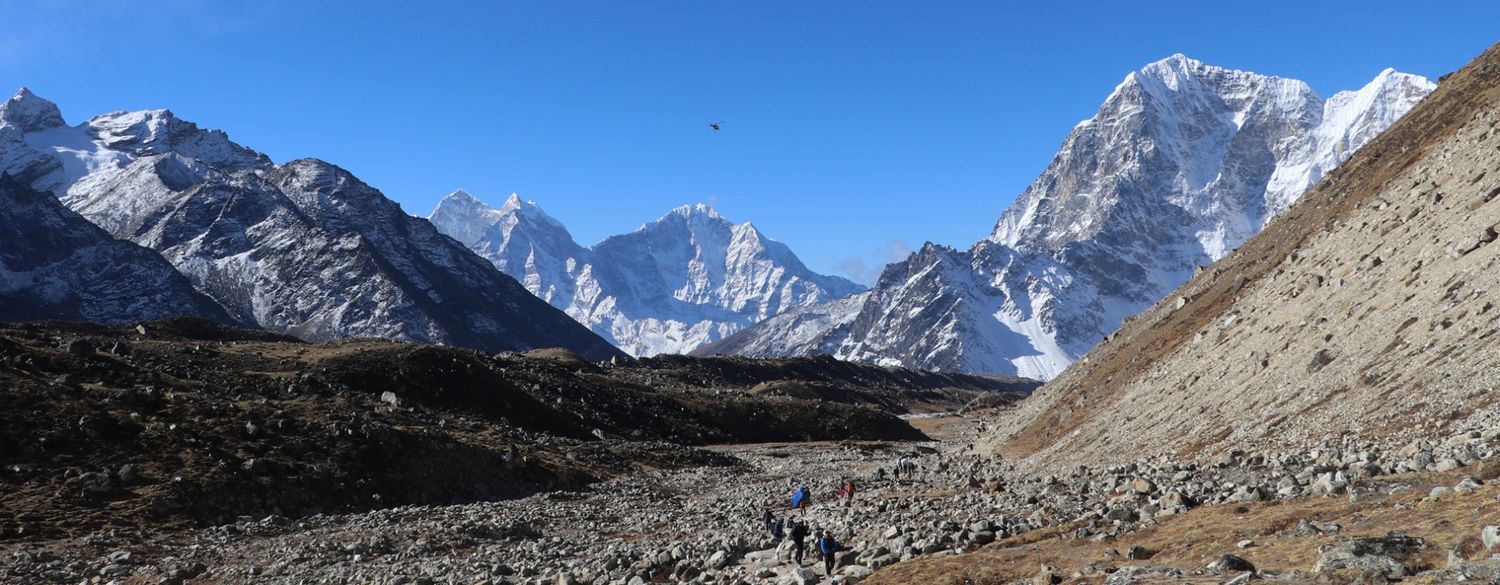
Everest Base Camp Trek is more of a high-altitude hike than a climb itself. It does not require any climbing gear per se; however, it does require a lot of stamina, endurance, and ability to hike for long hours on steep and rocky terrain.
The trip from Lukla to Everest Base Camp takes about 12-14 days on average, and it goes through several villages and passes including Phakding, Namche Bazaar, Tengboche, Dingboche, Lobuche, and Gorakshep.
The highest point on the trail is Kala Patthar, which is located at 5,545 m, while Everest Base Camp is slightly lower at 5,364 m.
Therefore, it is important to choose your trek itinerary wisely.
A cheaper option might have its drawbacks if it does not allow for proper acclimatization or cuts out any of the necessary stops.
2. Check the Trekking Season Before You Book
When you book your Everest Base Camp Trek, the month you choose can influence weather, visibility, temperatures, trail conditions, flight reliability, and the number of trekkers on the route.
Spring: March to May
Spring is one of the most popular periods for trekking in the Everest region.
You can generally expect:
-
Increasingly warmer conditions
-
Longer daylight hours
-
Rhododendron blooms at lower elevations
-
Good mountain visibility during favorable weather
-
High demand for trekking services
Autumn: September to November
Autumn is another major trekking season.
It is popular because of:
-
Generally stable weather
-
Clear Himalayan views
-
Comfortable trekking conditions
-
High-quality photography opportunities
Winter and Monsoon
Winter trekking is possible, but cold temperatures and snowfall can make the journey more challenging.
The monsoon period can bring heavy rainfall, cloudy conditions, slippery trails, and potential flight disruptions.
Before booking, therefore, ask your trekking company what weather conditions are normally expected during your travel dates and what their contingency plan is.
3. Check Whether Your Itinerary Allows Proper Acclimatization
This is one of the most important things to examine before booking an Everest Base Camp Trek.
Do not judge an itinerary only by the number of days.
Look at where you sleep each night and how quickly the altitude increases.
A well-planned itinerary commonly includes acclimatization stops around:
-
Namche Bazaar
-
Dingboche
These stops give your body additional time to adapt to increasing elevation.
Why This Matters
Altitude sickness can affect even physically fit trekkers.
A rushed itinerary may leave you exhausted before you reach the highest parts of the route.
When comparing packages, ask:
“How many acclimatization days are included, and at what elevations?”
That question is more useful than simply asking whether the package is 12, 14, or 16 days long.
4. Understand the Guide Requirement Before Booking
Guide requirements for the Everest Base Camp have been subject to confusion as the national regulations on trekking and the local Khumbu arrangements have not always been published in a consistent manner
The trek to Everest Base Camp is currently listed on the Nepal Tourism Board website as one of the Everest region treks requiring a licensed trekking guide and a registration with an authorized trekking agency as a result of the revised provision.
Therefore, before booking, ask the company:
-
Is the guide licensed?
-
Is the guide included in the package price?
-
How experienced is the guide?
-
Is the guide trained in high-altitude first aid?
-
How many trekkers will one guide supervise?
-
What happens if the guide becomes unavailable?
Do not simply choose a company because its package is inexpensive.
The quality and experience of the guide can have a major impact on your trekking experience, especially when dealing with altitude symptoms, weather changes, route decisions, and emergencies.
5. Know Which Permits You Need
Before starting the Everest Base Camp Trek, you need the appropriate permits for the Everest region.
The two key permits are:
Sagarmatha National Park Entry Permit
This is required to enter Sagarmatha National Park.
The current fee commonly cited for foreign trekkers is NPR 3,000.
Khumbu Pasang Lhamu Rural Municipality Permit
This local entry permit is required for trekking in the Khumbu region.
The commonly cited fee is NPR 3,000.
If you choose the Jiri-to-Everest Base Camp route, additional permits can apply, including the Gaurishankar Conservation Area permit.
Ask Your Trekking Company
Before booking, confirm whether your package includes:
-
Permit fees
-
Permit processing
-
Local taxes
-
Required trekking registration
-
Other government charges
A transparent operator should clearly identify these costs rather than leaving you to discover them after arrival.
6. Compare What Is Actually Included in the Trek Price
Two companies may advertise similar Everest Base Camp Trek prices while providing very different services.
Always request a detailed inclusion and exclusion list.
Common Package Inclusions
Depending on the company, a package may include:
-
Airport transfers
-
Kathmandu accommodation
-
Lukla flights
-
Trekking permits
-
Teahouse accommodation
-
Meals during the trek
-
Licensed guide
-
Porter
-
Ground transportation
-
Trekking insurance for staff
-
First-aid support
Common Exclusions
You may need to pay separately for:
-
International flights
-
Nepal visa
-
Travel insurance
-
Personal equipment
-
Hot showers
-
Wi-Fi
-
Charging
-
Snacks
-
Alcoholic beverages
-
Personal expenses
-
Tips
-
Emergency evacuation
7. Ask About Lukla Flight Delays
One of the most important logistical considerations before booking the Everest Base Camp Trek is the flight between Kathmandu and Lukla.
Mountain weather can affect flight operations.
A delayed flight can affect your entire itinerary, especially if you have booked international flights immediately after the trek.
Before booking, ask:
What happens if my Lukla flight is cancelled or delayed?
Find out whether the operator provides:
-
Flight rebooking assistance
-
Hotel arrangements
-
Alternative transportation where practical
-
Helicopter options
-
Additional-night support
-
Assistance with changing international connections
Do not assume that every trekking company handles flight disruptions in the same way.
8. Check the Physical Demands Before You Pay
The Everest Base Camp Trek is something many people can achieve, but it should by no means be taken easy.
You should expect to possibly hike anywhere from 4-7 hours a day depending on your trail, elevation, landscape, weather, etc.
You should prepare for:
-
Long walking days
-
Uphill climbs
-
Long descents
-
Uneven terrain
-
Cold conditions
-
Reduced oxygen
-
Consecutive days of physical activity
A practical preparation for this kind of sport involves developing a good cardiovascular system, working out your legs, hiking, climbing stairs, and long walks.
You have to prepare yourself in advance, instead of waiting for the start of the expedition to do it.
9. Understand Altitude Sickness Before Booking
Altitude is one of the biggest health considerations on the Everest Base Camp Trek.
Acute Mountain Sickness (AMS) can cause symptoms such as:
-
Headache
-
Nausea
-
Dizziness
-
Fatigue
-
Loss of appetite
-
Difficulty sleeping
More serious altitude illnesses can become life-threatening.
Before booking, check whether your itinerary provides enough time for acclimatization.
You should also know what the trekking company does if a client becomes sick.
Ask:
-
Does the guide monitor altitude-related symptoms?
-
Is the guide trained in first aid?
-
Is emergency communication available?
-
What is the evacuation procedure?
-
Is helicopter evacuation covered by insurance?
A responsible trekking company should be able to answer these questions clearly.
Covering high-altitude helicopter evacuation before accepting a booking.
10. Know How Much Extra Cash You Need
Do not rely entirely on cards or ATMs during your trek.
As you move higher into the Khumbu, access to banking facilities becomes more limited and transaction costs can increase.
Carry sufficient Nepalese Rupees (NPR) before leaving Kathmandu.
You may need cash for:
-
Extra meals
-
Snacks
-
Hot showers
-
Wi-Fi
-
Charging
-
Drinks
-
Tips
-
Personal expenses
-
Unexpected delays
A trekking operator can advise you about a practical amount based on your itinerary and what your package already covers.
11. Check Accommodation Standards
Most trekkers on the standard Everest Base Camp route stay in teahouses.
Before booking, ask what level of accommodation is included.
Check:
-
Twin or single rooms
-
Shared or private bathrooms
-
Meals
-
Hot showers
-
Charging facilities
-
Wi-Fi
-
Blankets
-
Sleeping bags
-
Upgraded accommodation options
Accommodation becomes more basic as you climb higher.
Understanding this before departure helps you set realistic expectations.
12. Ask About Porter Support and Luggage Limits
If you hire a porter, ask how much luggage the porter is expected to carry and what your personal daypack should contain.
Your daypack should normally contain essential items such as:
-
Water
-
Snacks
-
Warm layer
-
Rain protection
-
Sunscreen
-
Sunglasses
-
Personal medication
-
Important documents
-
Camera or phone
Keep essential medication, money, passport, and other valuables with you rather than putting them into your main luggage.
-
You cancel the trek
-
Your flight is delayed
-
Your trek is interrupted by weather
-
You become ill
-
You need emergency evacuation
-
You change your travel dates
Ask whether your deposit is refundable and whether the company charges date-change fees.
A clear cancellation policy can prevent unpleasant financial surprises.
13. Check the Emergency and Evacuation Plan
The Everest region is remote, so emergency planning matters.
Before booking, ask the company:
“What happens if I become seriously ill at high altitude?”
A good operator should explain how its team handles:
-
Initial assessment
-
Communication with the trekking office
-
Descent when medically appropriate
-
Medical treatment
-
Emergency evacuation
-
Coordination with your insurance provider
Your insurance company may also require documentation from the trekking company or medical professionals before approving evacuation.
14. Pack According to the Season
Do not buy an expensive collection of trekking equipment without first checking the season and itinerary.
Essential equipment commonly includes:
-
Broken-in trekking boots
-
Warm layers
-
Waterproof jacket
-
Down jacket
-
Sleeping bag
-
Gloves
-
Warm hat
-
Trekking poles
-
Sunglasses
-
Sunscreen
-
Headlamp
-
Water bottles
-
Personal medication
-
First-aid supplies
-
Backpack or daypack
You can also rent some equipment in Kathmandu if you do not trek regularly.
The important rule is to avoid arriving with brand-new boots. Break them in before the trek.
15. Ask What the Daily Routine Looks Like
Before booking, request a day-by-day itinerary.
You should know:
-
Where you sleep each night
-
Approximate walking hours
-
Elevation gain
-
Rest days
-
Major viewpoints
-
Meals included
-
Accommodation
-
Transport arrangements
This allows you to compare different operators objectively.
An itinerary is not simply a list of villages. It is the framework that determines how your body adapts to the altitude and how much time you have to recover.
Frequently Asked Questions Before Booking the Everest Base Camp Trek
How many days does the Everest Base Camp Trek take?
A standard Everest Base Camp Trek commonly takes around 12–14 days, although the duration depends on the itinerary, acclimatization schedule, route, and return arrangements. (What is the highest point of the Everest Base Camp Trek?
Everest Base Camp itself is approximately 5,364 meters, while Kala Patthar is higher, at around 5,545 meters.
What permits are required for Everest Base Camp?
The two principal permits are the Sagarmatha National Park Entry Permit and the Khumbu Pasang Lhamu Rural Municipality Permit. Current published fees are commonly NPR 3,000 and NPR 2,000 respectively, although travelers should confirm fees before departure because government charges can change.
Is a guide required for the Everest Base Camp Trek?
The Nepal Tourism Board currently lists the Everest Base Camp Trek among routes covered by its revised provision requiring a licensed trekking guide and registered trekking-agency arrangements. Because the Khumbu region has had conflicting interpretations of the rule, confirm the current requirement with your registered trekking agency or the Nepal Tourism Board before departure. (Nepal Tourism Board)
How much cash should I carry?
The exact amount depends on your package and personal spending habits. Carry sufficient Nepalese Rupees for snacks, drinks, showers, charging, Wi-Fi, tips, and unexpected expenses, because ATM access becomes less convenient at higher elevations.
Is travel insurance necessary?
Yes. For a high-altitude trek, comprehensive travel insurance with appropriate emergency medical and helicopter evacuation coverage is strongly recommended, and some operators make it a booking requirement.
When is the best time to book the Everest Base Camp Trek?
For the main spring and autumn trekking seasons, booking in advance is advisable because flights, accommodation, guides, and popular departure dates can fill up. The exact booking window depends on whether you want a private trek, group departure, or a specific travel date.
Final Thoughts: What You Should Know Before Booking Everest Base Camp
The Everest Base Camp Trek should be booked based on safety, itinerary quality, guide support, logistics, and transparency—not simply the lowest advertised price.
Before paying a deposit, examine the itinerary carefully. Make sure it provides appropriate acclimatization, understand the current permit and guide requirements, check exactly what is included, and confirm how the company handles Lukla flight delays and high-altitude emergencies.
Your preparation should also include physical training, suitable equipment, high-altitude travel insurance, and enough personal funds for expenses that are not included in your package.
Most importantly, choose a trekking company that is transparent about its services and realistic about the challenges of the Everest region.
A well-planned Everest Base Camp Trek is not about rushing to the highest point. It is about giving yourself enough time, support, preparation, and flexibility to enjoy the journey safely from Lukla and Namche Bazaar to Tengboche, Dingboche, Gorakshep, Everest Base Camp, and the return journey through the Khumbu.
If you evaluate these factors before booking, you will be in a much stronger position to choose an Everest Base Camp Trek package that matches your fitness, budget, schedule, and expectations.
Frequently Asked Questions Before Booking the Everest Base Camp Trek
How many days does the Everest Base Camp Trek take?
A standard Everest Base Camp Trek commonly takes around 12–14 days, although the duration depends on the itinerary, acclimatization schedule, route, and return arrangements. (What is the highest point of the Everest Base Camp Trek?
Everest Base Camp itself is approximately 5,364 meters, while Kala Patthar is higher, at around 5,545 meters.
What permits are required for Everest Base Camp?
The two principal permits are the Sagarmatha National Park Entry Permit and the Khumbu Pasang Lhamu Rural Municipality Permit. Current published fees are commonly NPR 3,000 and NPR 3,000 respectively, although travelers should confirm fees before departure because government charges can change.
Is a guide required for the Everest Base Camp Trek?
The Nepal Tourism Board currently lists the Everest Base Camp Trek among routes covered by its revised provision requiring a licensed trekking guide and registered trekking-agency arrangements. Because the Khumbu region has had conflicting interpretations of the rule, confirm the current requirement with your registered trekking agency or the Nepal Tourism Board before departure.
How much cash should I carry?
The exact amount depends on your package and personal spending habits. Carry sufficient Nepalese Rupees for snacks, drinks, showers, charging, Wi-Fi, tips, and unexpected expenses, because ATM access becomes less convenient at higher elevations.
Is travel insurance necessary?
Yes. For a high-altitude trek, comprehensive travel insurance with appropriate emergency medical and helicopter evacuation coverage is strongly recommended, and some operators make it a booking requirement.
When is the best time to book the Everest Base Camp Trek?
For the main spring and autumn trekking seasons, booking in advance is advisable because flights, accommodation, guides, and popular departure dates can fill up. The exact booking window depends on whether you want a private trek, group departure, or a specific travel date.