The Everest Base Camp (EBC) Trek
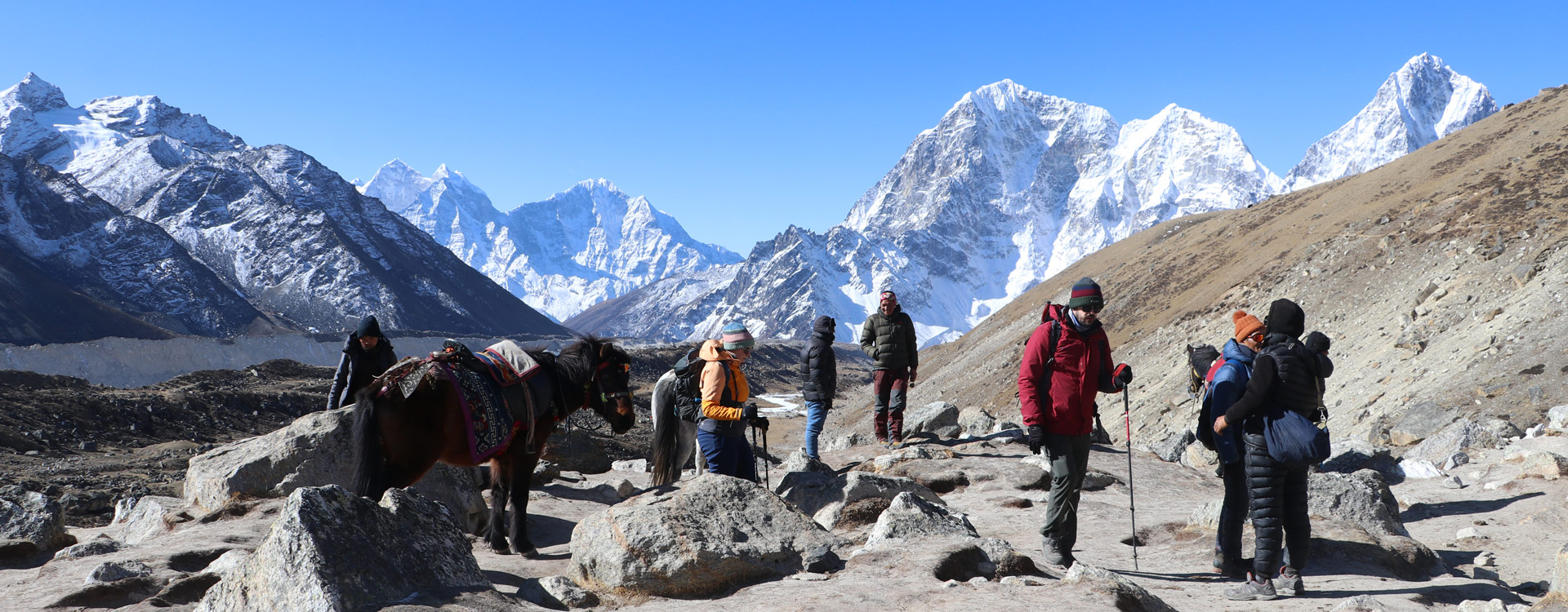
is one of the world's most iconic high-altitude adventures, leading trekkers through Nepal's spectacular Khumbu region to Base Camp at roughly 5,364 meters (17,598 feet). It doesn't require technical climbing skills, but high altitude, unpredictable mountain weather, rugged trails, cold temperatures, and remote terrain mean safety has to come first.
Reaching Base Camp isn't the hard part. Ascending gradually, recognizing altitude sickness early, preparing for shifting weather, carrying the right insurance, and knowing how to respond in an emergency that's what actually keeps a trek safe.
The Nepal Tourism Board's mountain safety guidance recommends gradual acclimatization and stresses that altitude illness becomes a real concern above 2,500 meters — well below the elevations reached on the EBC route.
Is the Everest Base Camp Trek Safe?
Yes with proper planning and professional support, EBC trekking is safe for most reasonably fit trekkers, and thousands complete the route every year. That said, it remains a demanding high-altitude trek where conditions can shift quickly.
Main risks to plan around:
-
Acute Mountain Sickness (AMS)
-
Severe altitude-related illness
-
Sudden weather changes
-
Snow, ice, and slippery trails
-
Landslides and rockfall
-
Cold exposure and hypothermia
-
Dehydration and exhaustion
-
Lukla flight delays or cancellations
-
Limited medical facilities at high elevation
Himalayan planet advises trekkers to stay informed on mountain conditions, ascend gradually, avoid pushing on when symptomatic, and descend if symptoms worsen.
Travel Insurance for the Everest Base Camp Trek
Comprehensive travel insurance isn't optional here. Many standard policies don't automatically cover high-altitude trekking or helicopter evacuation, so check the fine print before you buy.
Your policy should cover:
-
High-altitude trekking to at least 6,000 meters
-
Emergency helicopter evacuation
-
Emergency medical treatment
-
Hospitalization
-
Search and rescue
-
Medical repatriation
-
Trip cancellation or interruption
-
Flight delays and related disruptions
Himalayan Planet Adventures requires comprehensive travel and rescue insurance for its EBC program, including helicopter evacuation coverage up to 6,000 meters.
Read exclusions carefully some insurers cap altitude coverage, others exclude adventure activities unless you add supplemental coverage. The UK government similarly advises travelers to Nepal to confirm their policy covers mountain rescue and helicopter costs.
Important: A general travel insurance policy does not automatically cover an Everest Base Camp helicopter rescue. Confirm this specifically before you go.
Emergency Helicopter Evacuation on the EBC Trek
Helicopter evacuation becomes necessary when a trekker develops severe altitude sickness, suffers a serious injury, or can't safely descend on foot. In a region this remote, it's often the fastest way to reach lower altitude and proper medical care but flights depend on weather, visibility, aircraft availability, and landing conditions, so they're never guaranteed on demand.
Your guide and trekking agency typically coordinate the evacuation and liaise with your insurer. Himalayan Planet Adventures states its guides are trained in first aid and that the company coordinates helicopter evacuation when a serious medical emergency arises.
Don't wait for a condition to become critical before raising the possibility of evacuation. Early recognition and descent matter more than pushing on toward Base Camp. The Nepal Tourism Board also advises contacting your local agency directly about evacuation arrangements.
Altitude Sickness: The Biggest EBC Safety Concern
Altitude is the single most important safety factor on this trek. The route starts at Lukla (about 2,860 meters) and climbs above 5,000 meters a significant adjustment for any body, regardless of fitness level.
Early AMS symptoms:
-
Headache
-
Loss of appetite
-
Nausea
-
Dizziness
-
Fatigue
-
Difficulty sleeping
The Nepal Tourism Board advises against ascending further if these symptoms appear above 2,500 meters, until they improve.
Warning signs of severe altitude illness:
-
Severe or worsening headache
-
Repeated vomiting
-
Confusion
-
Difficulty walking or poor coordination
-
Extreme weakness
-
Shortness of breath at rest
These can signal life-threatening altitude illness. Stop ascending, descend immediately, and get medical help. Reaching Base Camp is never worth risking your health.
How to Prevent Altitude Sickness
There's no guaranteed prevention, but sensible acclimatization dramatically lowers the risk.
Follow a gradual itinerary. A well-designed schedule builds in acclimatization days, especially around Namche Bazaar and Dingboche.
Walk slowly. This isn't a race pace yourself and avoid unnecessary exertion.
Stay hydrated. Drink enough safe water throughout the day, particularly while walking.
Avoid alcohol. It contributes to dehydration and can cloud judgment at altitude. The Nepal Tourism Board specifically recommends avoiding alcohol above 3,000 meters.
Talk to your guide. Report any headache, nausea, dizziness, unusual fatigue, or breathing trouble right away don't wait to see if it passes.
If you're considering medication like acetazolamide (Diamox), discuss it with a healthcare professional before your trip rather than self-prescribing on the trail.
Everest Base Camp Weather Risks
Mountain weather can turn quickly, even in the best trekking seasons.
The main windows are spring (March–May) and autumn (September–November). Autumn tends to bring dry conditions and strong visibility; spring brings warmer days and coincides with the Everest climbing season. Neither guarantees consistently good weather.
Possible hazards:
-
Snowfall
-
Strong winds
-
Sudden storms
-
Freezing temperatures
-
Heavy rain at lower elevations
-
Poor visibility
-
Ice-covered trails
The Nepal Tourism Board warns that sudden weather shifts, avalanches, snowdrifts, landslides, rockfalls, and flooding can all occur in the mountains.
Check conditions before setting out each day, and be ready to adjust your route if your guide recommends it.
Lukla Flight Safety and Delays
Most EBC itineraries start with a flight to Lukla, the gateway to the Everest region. Mountain flying depends heavily on visibility and weather, so delays and cancellations happen — even during peak season.
To plan around this:
-
Build buffer days into your itinerary
-
Avoid booking an international flight right after your planned return from Lukla
-
Keep essential medication and valuables in your hand luggage
-
Follow your airline and trekking agency's instructions
-
Stay flexible — itinerary changes are common, not exceptional
Himalayan Planet Adventures notes that Lukla flights can be delayed by mountain weather, and that its Kathmandu and Lukla teams coordinate alternative arrangements when this happens.
Essential Trekking Safety Precautions
1. Trek with a qualified guide. The Nepal Tourism Board requires a licensed guide and agency-issued TIMS card on the EBC route under current regulations. A good guide monitors your condition, reads changing trail conditions, and coordinates emergency support if needed.
2. Wear appropriate footwear. Broken-in trekking boots with solid grip matter — the trail includes rocky sections, steep climbs, stone steps, and occasionally snow or ice.
3. Dress in layers. Daytime sun and cold evenings can differ dramatically. Pack thermal base layers, a fleece or insulating mid-layer, a down jacket, a waterproof/windproof shell, warm gloves, a hat, and warm trekking socks.
4. Protect against sun exposure. UV intensity increases with altitude. Wear sunglasses, sunscreen, and protective clothing the CDC recommends sun protection for high-altitude activity generally.
5. Carry a first-aid kit. Include essential medication, blister treatment, basic wound care, and any prescribed medicines.
6. Drink treated water only. Avoid untreated tap or stream water stick to treated, boiled, or otherwise purified water.
7. Stay on designated trails. Skip shortcuts and avoid unstable slopes, glaciers, or restricted areas. The Nepal Tourism Board recommends sticking to marked routes.
What to Do During an EBC Emergency
-
Stop trekking and assess the situation.
-
Inform your guide immediately.
-
Don't continue ascending if altitude sickness is suspected.
-
Follow your guide's instructions on rest or descent.
-
Contact appropriate medical support.
-
Arrange helicopter evacuation if medically necessary and conditions allow.
-
Contact your insurer following their emergency procedure.
-
Keep your passport, insurance details, and emergency contacts easily accessible.
The CDC recommends travelers to remote areas carry medical evacuation insurance and have a clear plan for accessing care in an emergency.
Why Choose Himalayan Planet Adventures for a Safe EBC Trek?
Choosing the right trekking company is central to staying safe on Everest Base Camp. Himalayan Planet Adventures is a government-authorized, locally owned Nepal trekking company based in Kathmandu, with more than 17 years of experience in Himalayan travel. The company states it's affiliated with TAAN, NMA, and ATTA.For the EBC trek specifically, Himalayan Planet provides:
-
Experienced local guides familiar with the Everest region
-
First-aid preparedness, with guides trained in wilderness first aid
-
Medical equipment, including a group medical kit
-
Altitude monitoring and safety guidance throughout the trek
-
Emergency coordination when helicopter evacuation is needed
-
Mandatory comprehensive travel and rescue insurance for the itinerary
-
Acclimatization-focused itineraries built with adaptation time
-
Local Kathmandu and Lukla support for flight disruptions
The company classifies its EBC program as moderate to demanding, with roughly 5–7 hours of walking on many days.
Everest Base Camp Trek Safety Checklist
-
High-altitude trekking insurance
-
Helicopter evacuation coverage to at least 6,000m
-
Search-and-rescue coverage
-
Medical repatriation coverage
-
Appropriate trekking boots
-
Layered clothing and warm sleeping gear
-
Sunglasses and high-SPF sunscreen
-
Personal medication
-
Basic first-aid supplies
-
Water purification method
-
Headlamp and spare batteries
-
Passport and insurance documents
-
Emergency contact details
-
Flexible days for flight/weather delays
Final Thoughts: Stay Safe on Your Everest Base Camp Trek
Everest Base Camp is an extraordinary trek, but it rewards preparation. The core priorities stay the same throughout: gradual acclimatization, the right travel insurance, weather awareness, proper equipment, and being honest with your guide about how you're feeling.
Choose a reputable local operator, listen to your guide, and never treat altitude sickness as something to just push through. Weather will change, flights may be delayed, and emergencies can happen but good preparation is what lets you respond safely when they do.
With the right itinerary, experienced local support, and solid insurance in place, you're free to focus on what makes this trek unforgettable: the Sherpa villages, the monasteries, the Himalayan scenery, and the moment you finally reach Base Camp.
Plan your Everest Base Camp adventure with Himalayan Planet Adventures — and put safety, local expertise, and responsible trekking at the center of your journey.
Safety information can change. Always check current Nepal Tourism Board guidance, your insurer's policy wording, and professional medical advice before departure.