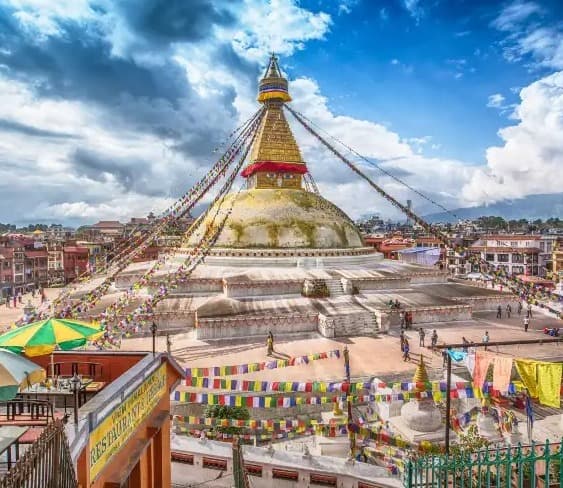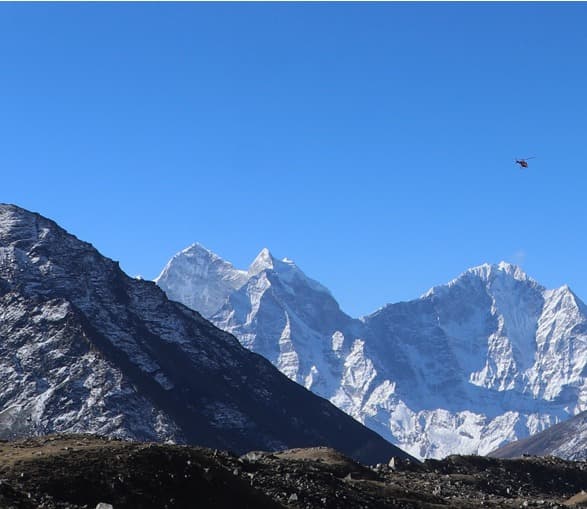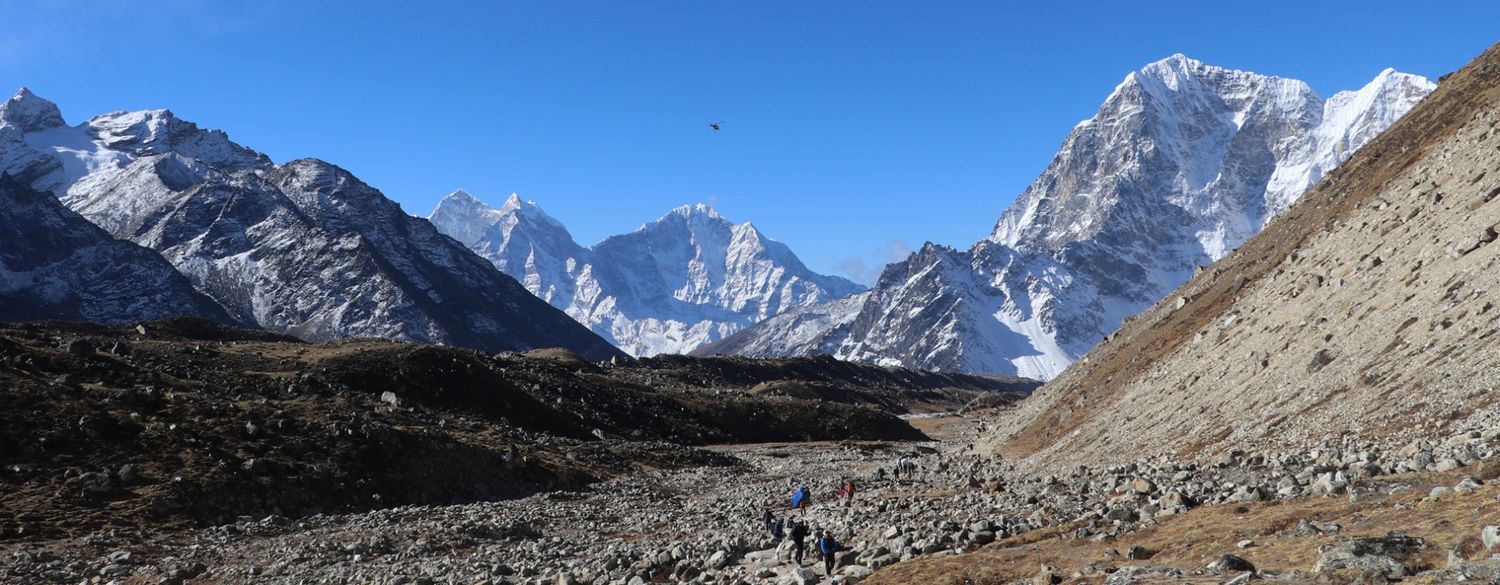
The Everest Base Camp Trek is one of Nepal's most famous high-altitude adventures, taking trekkers through the spectacular Khumbu region toward the base camp of Mount Everest. The journey combines dramatic Himalayan landscapes, traditional Sherpa villages, Buddhist monasteries, suspension bridges, and some of the world's highest mountains.
Reaching Everest Base Camp at 5,364 meters (17,598 feet) is a major achievement, but the trek requires more than enthusiasm and a love for the mountains. Altitude, long walking days, cold temperatures, rugged terrain, dehydration, and physical fatigue can all affect your health during the journey.
The good news is that proper preparation can make the Everest Base Camp Trek safer and more manageable. Building your fitness before departure, following a gradual acclimatization schedule, staying hydrated, eating properly, walking at a comfortable pace, and recognizing the warning signs of altitude sickness are all important.
This Everest Base Camp Trek health guide explains the key health considerations you should understand before and during your trek, including altitude sickness, physical preparation, hydration, nutrition, acclimatization, high-altitude safety, emergency planning, and choosing the right trekking company.
Everest Base Camp Trek Health: What Makes the Trek Challenging?
The Everest Base Camp Trek is considered to be a tough hike. You do not need to know how to climb or use gear like ropes or crampons on the main trail. You will have to walk for a long time on steep and rocky paths that are not even. You will be going higher and higher up the mountain.
People who go on this trek will probably walk for around 5 to 7 hours on a day. However, the time you actually spend walking can be different depending on the path you take, how high up you're the weather, how fast you walk and how many times you stop to rest. The Everest Base Camp Trek is a hike that requires a lot of walking. You should be prepared for that.
The major health challenges include:
-
High altitude and reduced oxygen availability
-
Acute Mountain Sickness (AMS)
-
Long days of walking
-
Steep ascents and descents
-
Rocky and uneven trails
-
Cold temperatures
-
Dehydration
-
Physical exhaustion
-
Changes in appetite and sleep
-
Remote mountain conditions
The route gradually climbs from Lukla at around 2,860 meters toward Everest Base Camp at 5,364 meters, with Kala Patthar reaching approximately 5,545 meters. This gradual increase in elevation is why acclimatization is one of the most important aspects of an Everest Base Camp Trek.
Understanding Altitude Sickness During the Everest Base Camp Trek
Altitude sickness, which is also called Acute Mountain Sickness, happens when your body has time to deal with the fact that there is not as much oxygen available at really high places.
Altitude sickness can happen to anyone. It does not matter if you are young or if you are in physical shape or if you have gone on a lot of treks before; you can still get altitude sickness.
Common symptoms include:
-
Headache
-
Dizziness
-
Nausea
-
Loss of appetite
-
Fatigue
-
Weakness
-
Difficulty sleeping
-
Shortness of breath
Mild symptoms can sometimes occur as your body adjusts to altitude. However, symptoms that become severe or continue to worsen should never be ignored.
More serious altitude-related illnesses include:
High Altitude Pulmonary Edema (HAPE)
HAPE affects the lungs and can cause severe breathing difficulties. Symptoms may include breathlessness at rest, coughing, weakness, and reduced exercise tolerance.
High Altitude Cerebral Edema (HACE)
HACE affects the brain and is a medical emergency. Warning signs can include confusion, severe weakness, loss of coordination, unusual behavior, and declining consciousness.
If serious altitude illness is suspected, descent to a lower elevation and urgent medical assistance are essential.
How to Prevent Altitude Sickness on the Everest Base Camp Trek
There is no guaranteed method of completely preventing altitude sickness, but careful acclimatization and responsible trekking practices can reduce the risk.
1. Ascend Gradually
One of the most important rules of high-altitude trekking is to avoid ascending too quickly.
A well-planned Everest Base Camp Trek includes acclimatization days that allow your body additional time to adjust.
Himalayan Planet's 20-day Everest Base Camp Trek itinerary includes acclimatization days at Namche Bazaar and Dingboche before continuing toward higher elevations.
2. Take Acclimatization Days Seriously
Acclimatization days are not just rest days.
They give your body a chance to get used to the altitude before you go higher.
In Namche Bazaar, for instance, hikers can do an acclimatization hike and then go back to Namche to sleep.
The same way of acclimatizing is done at Dingboche.
3. Walk Slowly
At high altitude, walking quickly can cause unnecessary fatigue.
A steady pace is generally more sustainable than trying to maintain the speed you would use at sea level.
Take regular breaks and communicate with your guide if you feel unusually tired or unwell.
4. Stay Hydrated
Dehydration can make high-altitude trekking more difficult.
Himalayan Planet recommends approximately 3–4 liters of water per day as part of its altitude and AMS guidance. Individual needs can vary depending on weather, physical activity, and personal circumstances.
5. Avoid Ignoring Symptoms
If you develop a headache, nausea, dizziness, unusual fatigue, or other symptoms, tell your guide.
Do not assume that worsening symptoms are simply a normal part of the trek.
Everest Base Camp Trek Fitness Requirements
You do not need to be a professional athlete or mountaineer to complete the Everest Base Camp Trek.
However, you should have a good level of cardiovascular fitness and be comfortable walking for several hours on consecutive days.
Himalayan Planet recommends beginning a structured training program approximately 8–12 weeks before the trek, with an emphasis on cardiovascular endurance and leg strength.
Cardiovascular Training
Useful activities include:
-
Hiking
-
Walking
-
Running
-
Cycling
-
Swimming
-
Stair climbing
The goal is to improve your ability to maintain physical activity for several hours.
Leg Strength
Strong legs are important for both uphill climbs and long descents.
Useful exercises include:
-
Squats
-
Lunges
-
Step-ups
-
Hill walking
-
Stair climbing
Hiking Practice
Whenever possible, include regular outdoor hikes before your Everest Base Camp Trek.
Gradually increase:
-
Walking distance
-
Walking duration
-
Elevation gain
-
Backpack weight
Himalayan Planet recommends practicing on uneven terrain with a weighted backpack of approximately 5–10 kg to simulate trekking conditions.
How Long Should You Train for the Everest Base Camp Trek?
For a lot of people who like to go on hikes, having a plan in place for 8 to 12 weeks is really helpful.
If you already exercise and hike a lot, you can work on making yourself stronger and able to handle hills.
If you do not exercise much, you should start slowly. Talk to a doctor before you start a hard training plan.
Here is a simple way to do it:
Weeks 1 to 4
You should try to walk and get your heart rate up on a regular basis.
Weeks 5 to 8
You should try to hike for periods of time, climb bigger hills, and do exercises to make your legs stronger.
Weeks 9 to 12
You should go on longer hikes and get used to carrying your backpack.
The goal of trekking preparation is not to become an athlete. The goal of trekking preparation is to get your body ready for trekking and to be able to walk for days in a row.
Hydration During the Everest Base Camp Trek
Hydration is very important when you are trekking at altitudes.
Cold weather in the mountains can make it hard to feel thirsty. Your body still loses water because you breathe, sweat,, and move around.
Himalayan Planets EBC guidance says you should drink 3 to 4 liters of water every day,, and they give you drinking water during the trek.
Hydration Tips
-
Drink regularly rather than waiting until you are extremely thirsty.
-
Keep your water easily accessible.
-
Carry enough capacity for the day's route.
-
Use safe or treated drinking water.
-
Increase your fluid intake when conditions require it.
-
Limit alcohol at high altitude.
-
Monitor how you feel throughout the day.
Do not force excessive amounts of water. Individual hydration needs vary.
What Should You Eat During the Everest Base Camp Trek?
Your body needs a lot of energy to walk for hours every day.
When you go trekking, you should eat food that has carbohydrates for energy, protein to help your body recover, and enough calories to support all the activity of trekking.
Trekking is hard on your body, so your trekking diet should have food to give you energy for trekking and help you recover from trekking.
Common foods available along the Everest Base Camp route include:
-
Dal bhat
-
Rice
-
Noodles
-
Pasta
-
Potatoes
-
Soups
-
Eggs
-
Vegetables
-
Bread
-
Oatmeal
-
Fruits
-
Snacks
Himalayan Planet's package includes breakfast, lunch, and dinner during the trek, with meals provided through the teahouse system.
Eat Regularly
Your appetite may decrease as altitude increases.
Even when you are not particularly hungry, maintaining adequate energy intake is important for a long trekking day.
Useful snacks include:
-
Nuts
-
Dried fruit
-
Energy bars
-
Chocolate
-
Biscuits
-
Trail mix
Alcohol and Caffeine at High Altitude
Alcohol is generally best avoided at high altitude because it can interfere with hydration, sleep, and recovery.
Instead, prioritize:
-
Water
-
Warm soups
-
Tea
-
Other suitable non-alcoholic drinks
If you regularly consume caffeine, maintain your normal intake while ensuring that you continue to drink sufficient fluids.
Acclimatization on the Everest Base Camp Trek
Acclimatization is arguably the most important health consideration during the Everest Base Camp Trek.
Himalayan Planet's 20-day itinerary includes dedicated acclimatization days at Namche Bazaar and Dingboche.
Namche Bazaar Acclimatization
Namche Bazaar is located at approximately 3,440 meters.
Rather than continuing immediately to higher elevations, trekkers spend additional time in the area and can take a gradual acclimatization hike.
This gives the body additional time to adjust.
Dingboche Acclimatization
Dingboche is located at approximately 4,360 meters according to Himalayan Planet's current itinerary.
This acclimatization stop is particularly important because the route continues toward Lobuche, Gorakshep, and Everest Base Camp after Dingboche.
Everest Base Camp Trek Altitude Profile
Understanding the approximate altitude progression helps explain why acclimatization matters.
|
Location |
Approx. Elevation |
|
Kathmandu |
1,400 m |
|
Lukla |
2,860 m |
|
Namche Bazaar |
3,440 m |
|
Tengboche |
3,867 m |
|
Dingboche |
4,360 m |
|
Lobuche |
4,910 m |
|
Gorakshep |
5,164 m |
|
Everest Base Camp |
5,364 m |
|
Kala Patthar |
5,545 m |
These elevations are based on Himalayan Planet's current Everest Base Camp Trek itinerary. As the altitude increases, oxygen availability decreases, making gradual acclimatization increasingly important.
Health Considerations Along the Everest Base Camp Trek Route
Your health requirements can change as you climb higher.
Lukla to Phakding
The first trekking stage is an opportunity to establish your walking rhythm. Avoid starting too quickly simply because you feel strong at lower elevations.
Phakding to Namche Bazaar
The route becomes more demanding, with uphill sections and suspension bridges. Maintain a comfortable pace and drink regularly.
Namche Bazaar Acclimatization
Use this day to adapt rather than exhaust yourself. A gradual hike followed by returning to Namche to sleep is a common acclimatization strategy.
Namche to Tengboche
The route continues upward. Monitor your energy levels and communicate with your guide if you develop symptoms.
Tengboche to Dingboche
The altitude becomes increasingly significant.
Take regular breaks and avoid rushing.
Dingboche Acclimatization
This is another important opportunity for your body to adapt before the higher stages.
Dingboche to Lobuche
At these elevations, the thinner air becomes increasingly noticeable.
Slow and consistent movement is important.
Lobuche to Gorakshep and Everest Base Camp
This is among the most demanding stages of the trek because of the elevation and walking duration.
Take appropriate breaks and communicate immediately if you feel unwell.
Everest Base Camp and Kala Patthar
Everest Base Camp is approximately 5,364 meters, while Kala Patthar reaches around 5,545 meters.
These are extremely high elevations, so pacing and acclimatization remain important even when you are close to your goal.
Warning Signs You Should Never Ignore
Tell your guide immediately if you experience:
-
Persistent headache
-
Severe dizziness
-
Nausea or repeated vomiting
-
Increasing weakness
-
Difficulty breathing at rest
-
Confusion
-
Loss of coordination
-
Unusual behavior
-
Severe fatigue
-
Worsening symptoms
The most important rule is simple:
Do not continue ascending if serious altitude symptoms are getting worse.
Serious altitude illness can become life-threatening.
A descent to lower elevation may be necessary, along with medical assessment and emergency evacuation where appropriate.
What Happens During a High-Altitude Emergency?
The Everest Base Camp Trek is a challenge, and you need to be ready for emergencies.
Himalayan Planet says its guides know what to do if someone gets hurt because they are trained in wilderness aid. The Everest Base Camp Trek package that Himalayan Planet offers also comes with a first-aid kit.
The company wants you to have travel and rescue insurance that covers helicopter evacuation, from high altitude all the way up to 6,000 meters.
If a trekker gets really sick:
-
The guide checks out what is going on.
-
They keep an eye on the trekker's condition.
-
The group decides if the trekker needs to go down the mountain.
-
They get the trekker the help they need.
If necessary, they can arrange for an emergency evacuation.
This is why you should get travel insurance before you start the Everest Base Camp Trek, not after something bad happens.
Should You Take Diamox for the Everest Base Camp Trek?
Diamox, or acetazolamide, is commonly discussed in relation to altitude acclimatization.
However, medication decisions should be made with a qualified medical professional.
Before your trek, speak with your doctor or travel-medicine professional about:
-
Whether altitude medication is appropriate for you
-
Your medical history
-
Possible side effects
-
Other medications you take
-
How and when it should be used
Do not self-prescribe medication simply because another trekker is using it.
Trekking Insurance for Everest Base Camp
Travel insurance is an essential part of preparing for a high-altitude trek.
Himalayan Planet states that travel and rescue insurance is mandatory for its Everest Base Camp Trek package and that the policy must cover high-altitude helicopter rescue and evacuation up to 6,000 meters, along with medical emergencies, repatriation, and trip cancellation.
Before purchasing your policy, check:
-
Maximum altitude covered
-
Helicopter evacuation coverage
-
Emergency medical treatment
-
Repatriation
-
Trekking-related accidents
-
Trip cancellation
-
Policy exclusions
Keep your insurance documents accessible throughout the trek.
What Health and Safety Equipment Should You Carry?
A useful health and safety kit for the Everest Base Camp Trek can include:
-
Personal medications
-
Basic first-aid supplies
-
Blister treatment
-
Sunscreen
-
SPF lip balm
-
Sunglasses
-
Headlamp
-
Extra batteries
-
Warm layers
-
Gloves
-
Hat
-
Water bottles
-
Water purification method
-
Trekking poles
-
Personal insurance documents
Keep essential medications, passport, money, and other important personal items in your daypack rather than your main porter bag.
Protecting Yourself From Cold Weather
Temperatures can fall significantly at high elevations, especially during the night.
Himalayan Planet's current temperature table shows average low temperatures becoming particularly cold during the winter months, with January listed at approximately -17°C average low on its EBC page. Layering is therefore important.
Base Layer
Helps manage moisture.
Insulating Layer
Provides warmth.
Outer Layer
Protects against wind, rain, and snow.
You should also carry:
-
Warm gloves
-
Hat
-
Warm socks
-
Suitable trekking boots
-
Down jacket
-
Waterproof outer layer
Himalayan Planet lists down jackets and sleeping bags as available for rental in Thamel.
Sun Protection at High Altitude
Sun protection becomes particularly important in the Himalayas.
Carry:
-
High-SPF sunscreen
-
UV-protective sunglasses
-
SPF lip balm
-
Sun hat
-
Protective clothing
Apply sunscreen regularly, especially to exposed areas of your face, neck, ears, and hands.
Himalayan Planet specifically recommends SPF 50+ sunscreen, SPF lip balm, and appropriate sun protection for the trek.
Sleep and Recovery During the Everest Base Camp Trek
Sleep can become more difficult as altitude increases.
Good recovery practices include:
-
Maintaining a regular sleeping routine
-
Staying warm at night
-
Avoiding excessive alcohol
-
Eating adequately
-
Staying hydrated
-
Taking acclimatization days seriously
-
Avoiding unnecessary physical exhaustion
Your body is adapting to altitude while simultaneously recovering from daily physical activity, so rest is an important part of the trek.
Best Time for a Healthy and Comfortable Everest Base Camp Trek
The most popular trekking seasons are generally spring and autumn.
Spring: March to May
Spring brings relatively favorable trekking conditions, warmer temperatures, and blooming rhododendrons at lower elevations.
Autumn: September to November
Autumn is known for clearer skies and excellent Himalayan mountain visibility.
Himalayan Planet identifies March to May and September to November as the optimum trekking windows for its Everest Base Camp Trek.
Winter trekking is possible but involves significantly colder conditions, while the monsoon season can bring rain, cloud, and travel disruptions.
Why Choose Himalayan Planet for Your Everest Base Camp Trek?
Choosing the right trekking company is an important part of planning a safe and organized Everest Base Camp Trek.
The combination of altitude, long walking days, remote terrain, changing weather, and acclimatization requirements means that local knowledge and professional support can be valuable.
Government-Registered and Locally Owned Company
Himalayan Planet Adventures states that it is a government-registered trekking and tour company in Nepal and is 100% locally owned. The company says it has operated Himalayan tourism activities since 2009.
Being based in Nepal also provides the company with direct local access to the trekking environment, guides, logistics, and mountain communities.
Certified and Experienced Guides
Himalayan Planet says it employs certified guides with expertise in Himalayan terrain, local culture, and safety. Its website also states that guides receive High Altitude Wilderness First Aid training.
This is particularly relevant for trekkers concerned about altitude sickness and high-altitude emergencies.
Everest Base Camp Trek Health Checklist
Before your trip, use this checklist.
Fitness
-
Start training 8–12 weeks before departure
-
Build cardiovascular endurance
-
Strengthen your legs
-
Improve core stability
-
Practice long hikes
-
Practice walking with a daypack
Medical Preparation
-
Consult a doctor if you have existing medical conditions
-
Discuss altitude medication if appropriate
-
Prepare personal medications
-
Pack basic first-aid supplies
-
Learn the symptoms of AMS
Hydration and Nutrition
-
Carry reusable water bottles
-
Plan for safe drinking water
-
Drink regularly
-
Eat enough calories
-
Carry energy-rich snacks
-
Avoid excessive alcohol
High-Altitude Safety
-
Follow the acclimatization schedule
-
Walk slowly
-
Communicate symptoms immediately
-
Carry appropriate warm clothing
-
Use sun protection
-
Keep essential medication in your daypack
Insurance
-
Purchase comprehensive travel insurance
-
Confirm high-altitude trekking coverage
-
Confirm helicopter evacuation coverage
-
Check the maximum altitude covered
-
Carry your policy information
Conclusion
The Everest Base Camp Trek is more than a physical journey to the foot of Mount Everest. It is an experience that takes you through high-altitude landscapes, Sherpa communities, Buddhist monasteries, glacial valleys, and some of the most spectacular mountain scenery in Nepal.
However, the altitude should always be respected.
You can prepare by improving your fitness before departure, following a gradual itinerary, taking acclimatization days seriously, staying hydrated, eating enough, protecting yourself from cold and sun, and learning the warning signs of altitude sickness.
Most importantly, listen to your body.
If you feel unwell, tell your guide. If symptoms become serious, do not continue ascending simply because you want to reach the next destination. At high altitude, turning around can be the safest and most responsible decision.
With proper preparation, experienced local support, appropriate insurance, and a carefully planned itinerary, you can approach your Everest Base Camp Trek with greater confidence and focus on the incredible experience ahead.
For travelers looking for a Nepal-based trekking operator with local expertise, trained guides, acclimatization-focused itineraries, and organized trekking support, Himalayan Planet Adventures offers an Everest Base Camp Trek program designed around these needs.
Frequently Asked Questions About Everest Base Camp Trek Health
1. Is the Everest Base Camp Trek safe?
The Everest Base Camp Trek involves genuine high-altitude risks, especially altitude sickness, cold weather, dehydration, physical exhaustion, and difficult terrain. Proper preparation, acclimatization, experienced guides, and appropriate insurance can help manage these risks.
2. How high is Everest Base Camp?
Everest Base Camp on the Nepal trekking route is approximately 5,364 meters (17,598 feet) above sea level.
3. How many hours do you walk during the Everest Base Camp Trek?
Himalayan Planet describes the trek as involving approximately 5–7 hours of hiking per day, depending on the route and conditions.
4. Can fit people get altitude sickness?
Yes. Physical fitness does not guarantee immunity from altitude sickness. AMS can affect people regardless of fitness or previous trekking experience.
5. How can I prevent altitude sickness on the Everest Base Camp Trek?
Follow a gradual itinerary, take acclimatization days, walk slowly, stay hydrated, eat properly, avoid excessive alcohol, and communicate symptoms to your guide immediately.
6. How much water should I drink during the Everest Base Camp Trek?
Himalayan Planet recommends approximately 3–4 liters per day, although individual requirements vary.
7. Do I need to train for the Everest Base Camp Trek?
Yes. Building cardiovascular endurance, leg strength, hiking endurance, and overall fitness can make the trek considerably more manageable.
8. How long should I train before Everest Base Camp?
Himalayan Planet recommends beginning a rigorous training program approximately 8–12 weeks before arrival.
9. Should I take Diamox for Everest Base Camp?
Speak with a qualified medical professional before taking Diamox or any other altitude medication. Medication should be based on your individual medical circumstances.
10. What happens if I develop severe altitude sickness?
Tell your guide immediately. Depending on the severity, you may need to stop ascending, descend to a lower elevation, receive medical assistance, or be evacuated.
11. Does Himalayan Planet provide first-aid support?
Himalayan Planet states that its Everest Base Camp package includes an experienced trek leader who is first-aid and eco-trained, along with a first-aid kit. The company also states that its guides receive High Altitude Wilderness First Aid training.
12. Does Himalayan Planet provide drinking water?
Yes. The current Everest Base Camp Trek package includes purified, safe drinking water treated with iodine.
13. Is travel insurance required for the Everest Base Camp Trek?
Himalayan Planet states that comprehensive travel and rescue insurance is mandatory for its Everest Base Camp Trek and must cover high-altitude helicopter rescue and evacuation up to 6,000 meters.
14. What is the best season for the Everest Base Camp Trek?
Spring, from March to May, and autumn, from September to November, are identified by Himalayan Planet as the optimum trekking periods.
15. Is the Everest Base Camp Trek suitable for beginners?
The Everest Base Camp Trek does not require technical mountaineering skills, but it is a demanding high-altitude trek. Beginners should prepare physically, follow the acclimatization schedule, and choose an experienced trekking operator and guide.