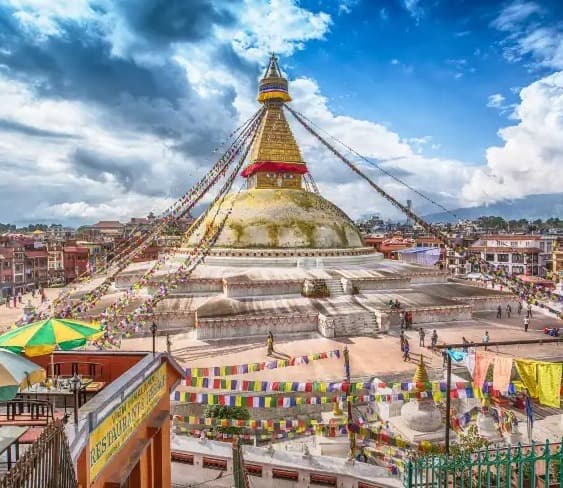
Bhutan is a picturesque kingdom located in the Himalayas, renowned for its spectacular scenery, ancient monasteries, deep Buddhist culture, and distinctive traditions. Although its stunning nature and architecture draw tourists from all over the world to visit this country, one of the most intriguing sides of Bhutanese culture is its festive celebrations.
Just picture yourself standing in an old-fashioned monastery yard, among splendidly decorated temples, colorful flags, and a lot of Bhutanese dressed in their national costumes. The monks put on fancy masks and dance, while the music of drums and cymbals can be heard all around.
Welcome to the world of Tshechu festivals in Bhutan!
The festival of Tshechu is one of the most significant religious and cultural festivals in Bhutan. People gather to mark the Buddhist teachings, pay homage to Guru Rinpoche, maintain their ancient dance forms, and practice their age-old traditions.
For visitors, it would be an exciting experience to participate in this festival of Tshechu.
In this guide, we will explore the famous festivals of Bhutan, the meaning behind Tshechu celebrations, traditional mask dances, local customs, and useful travel tips for planning your Bhutan festival experience.
1. What Is a Tshechu Festival in Bhutan?
Tshechu is a traditional Buddhist religious festival celebrated throughout Bhutan.
The word "Tshechu" means the tenth day, referring to the tenth day of a month in the Bhutanese lunar calendar. These festivals are celebrated in honor of Guru Rinpoche, also known as Padmasambhava, who played an important role in introducing Vajrayana Buddhism to Bhutan and the Himalayan region.
Tshechus are generally held in the courtyards of Dzongs (traditional Bhutanese fortresses) and monasteries.
During the celebrations, monks and lay performers present sacred masked dances known as Cham. These dances represent Buddhist teachings, spiritual stories, and the victory of good over evil.
Besides their religious significance, Tshechus are important social occasions. Families and communities gather to celebrate, reconnect with friends, wear traditional clothing, and enjoy cultural performances.
For visitors, these festivals provide an incredible opportunity to experience Bhutanese culture beyond ordinary sightseeing.
2. Famous Tshechu Festivals to Experience in Bhutan
Bhutan celebrates numerous festivals throughout the year, and every region has its own unique traditions and celebrations.
Here are some of the most famous festivals worth experiencing during your Bhutan trip.
1. Paro Tshechu – One of Bhutan's Most Famous Festivals
Paro Tshechu is among the largest and most renowned religious events in Bhutan, where thousands of locals and foreigners come to take part. The festival takes place in the Rinpung Dzong of Paro, and usually occurs in March or April, depending on the Bhutanese lunar calendar. Paro Tshechu is known all over the world for its masked dances presented by monks and other performers dressed in special costumes and masks.
One of the major features of the festival is the presentation of the large sacred Thongdrel, which is a religious silk painting depicting Guru Rinpoche. This event usually takes place at dawn on the last day of the festival and draws many visitors because the sacred Thongdrel is believed to bring many blessings to those who see it.
Festival highlights:
-
Traditional Cham masked dances.
-
Colorful religious ceremonies.
-
The sacred Thongdrel unveiling.
-
Traditional Bhutanese clothing.
-
Local food, music, and cultural gatherings.
Best time to visit: March–April.
2. Thimphu Tshechu – A Grand Cultural Celebration
Thimphu Tshechu is another popular religious festival held in the capital city of Bhutan.
The festival is held in Tendrel Thang, Thimphu, and it is considered one of the largest cultural events in the country.
The festival was started in the 19th century and now is considered to be one of the most important annual events for the people of Bhutan.
During the festival, there are traditional masked dances, folk performances, and religious ceremonies performed by monks and actors.
Thousands of people attend the festival, wearing traditional clothing,g which is called Gho for men and Kira for women.
Thimphu Tshechu is a great opportunity for travelers to immerse themselves in the traditions of Bhutan.
Festival highlights:
-
Traditional masked dances.
-
Religious performances by monks.Colorful Bhutanese traditional clothing.
-
Folk music and cultural performances.
-
Large community gatherings.
Best time to visit: September–October.
3. Punakha Tshechu – A Celebration of Faith and Heritage
Punakha Tshechu is one of the important cultural and religious festivals in Bhutan, celebrated at the beautiful Punakha Dzong. Located at the meeting point of the Pho Chhu and Mo Chhu rivers, the dzong is known for its stunning architecture and peaceful surroundings. During the festival, visitors can enjoy traditional masked dances, folk performances, and religious ceremonies that reflect Bhutan's rich Buddhist culture and traditions.
Another major celebration in Punakha is the Punakha Drubchen, which is closely associated with the region's history. It commemorates Bhutan's victory against Tibetan forces in the 17th century. During this celebration, local performers dress in traditional warrior clothing and recreate historical battle scenes, giving visitors a glimpse into Bhutan's past and making the festival a unique cultural experience.
Festival highlights:
-
Traditional Cham dances.
-
Historical warrior performances during Punakha Drubchen.
-
Religious ceremonies.
-
Traditional Bhutanese music.
-
Beautiful surroundings of Punakha Dzong.
Best time to visit: February–March.
4. Wangduephodrang Tshechu – Experience Traditional Mask Dances
Another religious and cultural festival celebrated in Bhutan is Wangduephodrang Tshechu. This festival features traditional masked dances, cultural displays, and the unfurling of the Guru Tshengye Thongdrel, which is a very sacred object of worship. One of the most important things that happens during the festival is the Raksha Mangcham, or the dance of the ox, which is very religious and cultural.
The festival is characterized by a great gathering of people from different communities. People come together to celebrate their culture and religion in a festive environment characterized by traditional music and dress, and cultural performances.
Festival highlights:
-
Traditional mask dances.
-
Raksha Mangcham.
-
Sacred Thongdrel unveiling.
-
Local cultural performances.
-
Community celebrations.
Best time to visit: September–October.
5. Jambay Lhakhang Drup – A Unique Traditional Festival
The Jambay Lhakhang Drup is undoubtedly one of the most unique religious festivals that takes place at the ancient Jambay Lhakhang in Bumthang. This religious celebration is distinguished by its age-old traditions, sacred dances in masks, and a fire ceremony called Mewang. One of its peculiarities is the Tercham, or the naked dance, which is traditionally held at night and is associated with local religious traditions.
This festival plays a significant role in the spiritual life of the Bhutanese as its ceremonies bring blessings, protection, and cleansing of souls. It can be an interesting and unique experience for tourists who visit the land of monks not only to see its breathtaking landscapes but to explore traditional culture and customs as well.
Festival highlights:
-
Traditional mask dances.
-
Sacred Mewang fire ceremony.
-
Tercham ritual.
-
Ancient Buddhist traditions.
-
Local cultural celebrations.
Best time to visit: October–November.
6. Haa Summer Festival – Celebrate Local Himalayan Traditions
Unlike the popular religious festivals of Bhutan, the Haa Summer Festival provides visitors with an exclusive opportunity to learn about the traditional culture and way of life of the Haa Valley. This festival not only celebrates the heritage of the area but also promotes cultural exchange among the local communities through various cultural events.
This festival is a perfect way to learn about the rural aspect of Bhutan and gain insight into the daily lives of the local community. Couples and other tourists can not only meet and socialize with the locals but also have a good time amidst the scenic beauty of Haa Valley.
Festival highlights:
-
Traditional Bhutanese food.
-
Folk music and dancing.
-
Local handicrafts.
-
Traditional sports.
-
Rural cultural experiences.
Best time to visit: July.
7. Black-Necked Crane Festival – A Celebration of Nature
Black-Necked Crane Festival is an annual cultural festival organized in the beautiful Phobjikha Valley in Bhutan. The festival differs from other Tshechus because its aim is the participation of communities and wildlife conservation in particular. This festival marks the migration of endangered species of black-necked cranes to the valley. During this festival, people can enjoy learning more about these birds and the importance of their presence in the environment.
In addition, at the Black-Necked Crane Festival, children perform dances of black-necked cranes, and cultural performances are held among the community members. In this way, it also helps people understand the significance of nature conservation and wildlife preservation.
Festival highlights:
-
Traditional crane dances.
-
Cultural performances.
-
Wildlife conservation activities.
-
Local community celebrations.
-
Beautiful Phobjikha Valley scenery.
Best time to visit: November, traditionally around 11 November.
3. Traditional Mask Dances: The Heart of Bhutanese Tshechu
One of the most interesting parts of Bhutanese festivals is the traditional masked dance, known as Cham. These dances are performed by monks and trained local performers wearing colorful costumes, beautifully designed masks, and traditional accessories. Each performance has its own meaning and tells a religious story or shares an important teaching of Buddhism.
Some Cham dances represent the victory of good over evil, while others highlight values such as compassion, wisdom, and spiritual transformation. Watching these performances gives visitors a deeper understanding of Bhutan's Buddhist traditions and cultural heritage. During your visit, you may come across several traditional masked dances at different festivals.
Dance of the Black Hats
The Black Hat Dance is a sacred masked performance associated with the purification and consecration of sacred spaces.
Performers wear black hats and elaborate costumes while carrying out carefully choreographed movements.
Dance of the Lords of the Cremation Grounds
This dance features performers wearing skull-like masks and traditional costumes.
It represents the protective forces associated with Buddhist teachings and the spiritual symbolism of the cremation grounds.
Dance of the Stags
The Dance of the Stags tells a religious story associated with Guru Rinpoche and the subjugation of negative forces.
Performers wear colorful stag masks and costumes while moving rhythmically to traditional music.
Dance of the Eight Manifestations of Guru Rinpoche
This dance represents the eight manifestations of Guru Rinpoche.
It is an important religious performance that illustrates his spiritual achievements and role in spreading Buddhism.
Watching these dances is a memorable way to understand Bhutan's spiritual heritage and traditional performing arts.
4. Best Time to Experience Bhutan's Festivals
Bhutan celebrates festivals throughout the year, and the best time to visit depends on which cultural events you want to experience.
|
Season |
Popular Festivals |
Experience |
|
February–March |
Punakha Drubchen and Tshechu |
Religious ceremonies and historical performances |
|
March–April |
Paro Tshechu |
Sacred mask dances and Thongdrel unveiling |
|
July |
Haa Summer Festival |
Local culture, food, and rural traditions |
|
September–October |
Thimphu and Wangduephodrang Tshechu |
Large cultural gatherings and traditional dances |
|
October–November |
Jambay Lhakhang Drup |
Ancient religious rituals |
|
November |
Black-Necked Crane Festival |
Nature, conservation, and community celebrations |
|
December–January |
Trongsa Tshechu |
Traditional dances and religious celebrations |
Important: Bhutanese festival dates generally follow the lunar calendar and change from year to year. Always confirm the exact dates before booking your flights and accommodation.
Explore Bhutan Tour Packages with Himalayan Planet Adventures
Planning your Bhutan trip around a traditional festival is a wonderful way to experience the country's rich cultural heritage.
Whether you want to witness the famous Paro Tshechu, experience Thimphu's colorful celebrations, or explore Bhutan's peaceful valleys and monasteries, Himalayan Planet Adventures can help you plan your journey.
Explore our Bhutan tour packages:
Explore more options through our Bhutan Tour Packages page.
Contact Himalayan Planet Adventures to discuss your preferred travel dates and festival experiences.
Conclusion: Experience the Living Culture of Bhutan
Bhutan's festivals offer much more than colorful performances and traditional celebrations. They provide a fascinating window into the country's spiritual beliefs, history, community values, and cultural identity.
From the spectacular Paro Tshechu and grand celebrations in Thimphu to the ancient traditions of Bumthang and the nature-focused Black-Necked Crane Festival, every celebration offers something unique.
For travelers who want to experience authentic Himalayan culture, attending a Tshechu is an unforgettable opportunity.
So, if you are planning a trip to Bhutan, consider timing your visit around one of its traditional festivals.
Discover the beauty, spirituality, and traditions of the Land of the Thunder Dragon with Himalayan Planet Adventures.
Explore Bhutan, experience its festivals, and create memories that last a lifetime!